Should You Choose Laser or Blade for PTFE Membrane Cutting Manufacturer

Laser cutting is often the wrong choice for PTFE membranes.
For most flexible PTFE membrane applications, an oscillating blade cutter is superior to laser cutting because it prevents thermal carbonization and edge brittleness. While lasers offer high precision on metals, the heat-affected zone they create on PTFE leads to yellowing, weakened tensile strength, and material waste. An oscillating knife provides a cold-cutting process that preserves material integrity, ensures clean edges, and maintains tight tolerances without melting layers.
I still remember the smell of burnt plastic hanging heavy in the air of a workshop in Ho Chi Minh City. A client was furious, pointing at a roll of expensive PTFE membrane that had just been processed. The edges were not clean; they were yellowed, brittle, and crumbling under slight pressure. The cutting team had used a high-power laser, assuming that "more precision" meant better quality. They were wrong. The heat from the laser had altered the chemical structure of the PTFE at the cut line, creating a heat-affected zone that compromised the entire batch. That incident shifted my focus from general quality control to understanding the specific physics of flexible material cutting. It taught me that the tool must match the material’s thermal sensitivity, not just its thickness.
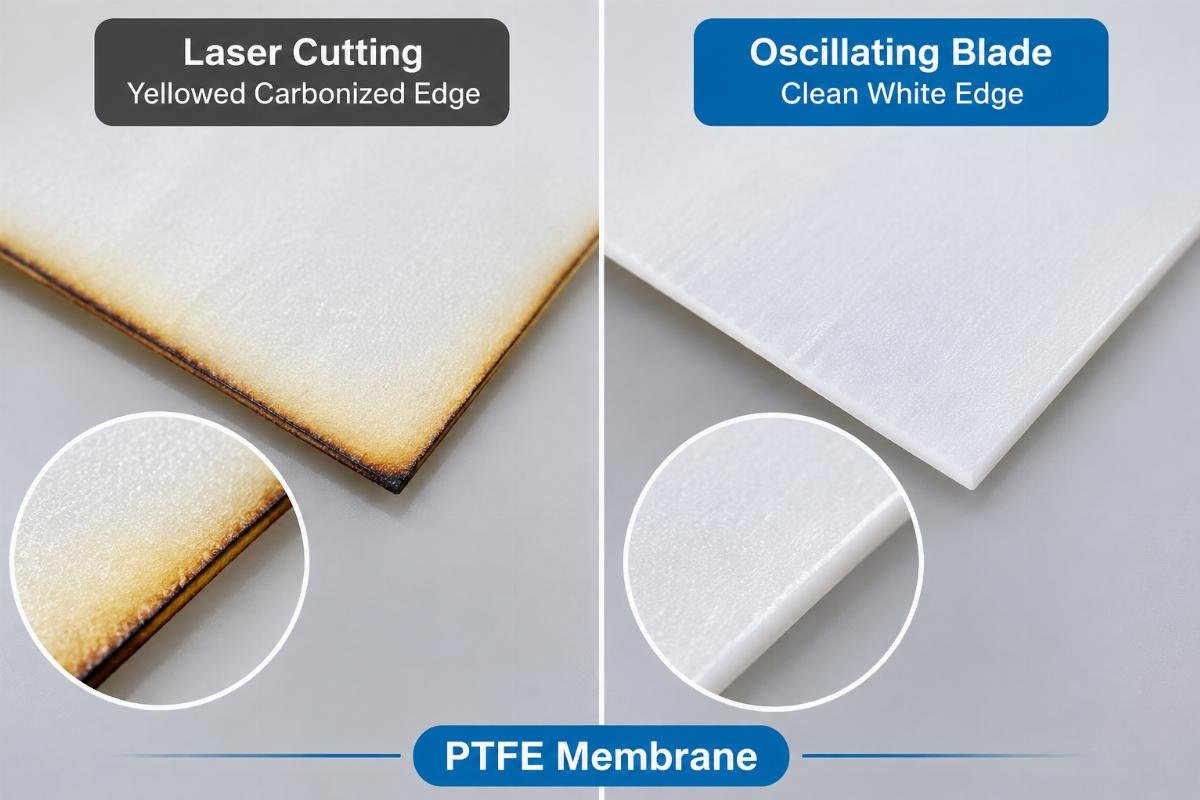
Choosing the right method depends on understanding how PTFE reacts to energy. When you evaluate options for a PTFE membrane cutting manufacturer, the decision often comes down to managing heat versus managing mechanical force.
Why Does Laser Cutting Fail on PTFE Membranes?
Thermal damage causes brittle, carbonized edges that compromise material performance.
Laser cutting works by vaporizing material with a focused beam of light. For metals or wood, this is efficient. For PTFE (polytetrafluoroethylene), it is problematic. PTFE has a high melting point but poor thermal conductivity. When a laser hits the surface, the heat does not dissipate quickly. Instead, it builds up locally, causing the polymer chains to break down before they fully vaporize. This results in a heat-affected zone (HAZ) where the material changes color and loses its mechanical properties.
The primary issue is carbonization. As the laser burns through the membrane, it leaves behind a blackened or yellowed residue along the cut edge. This is not just cosmetic; it indicates structural weakness. In applications where the membrane must withstand tension or seal against fluids, these brittle edges can crack or fail prematurely.
Furthermore, laser cutting can release toxic fumes when processing fluoropolymers. While industrial systems have extraction units, the risk of handling degraded PTFE particles remains a concern for operators. The kerf width—the amount of material removed by the cut—is also wider in laser cutting due to the beam’s divergence and the melting zone, leading to greater material waste compared to mechanical cutting methods.
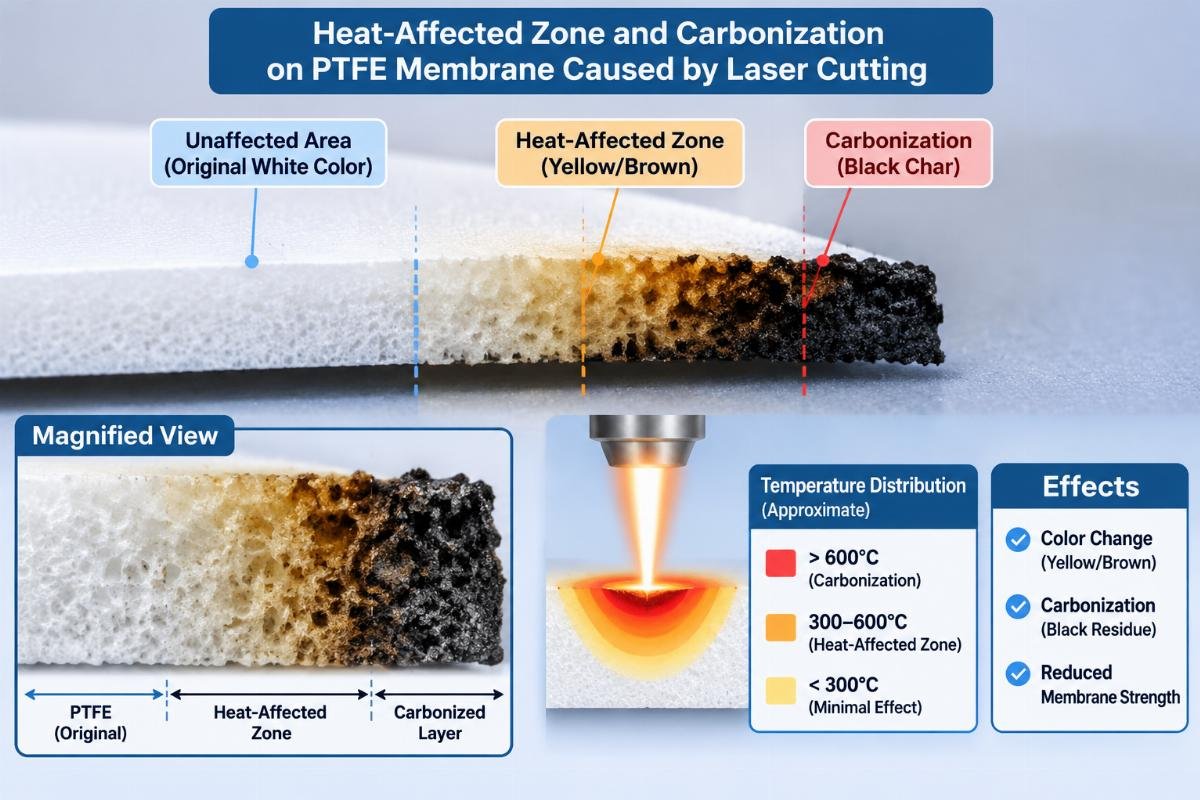
For a PTFE membrane cutting manufacturer, relying on laser technology for thin films or flexible composites often leads to higher rejection rates. The visual defect of yellowing is immediate, but the latent defect of reduced edge strength may only appear during final assembly or field use, causing costly recalls.
How Does Oscillating Blade Ensure Clean PTFE Cuts?
Cold cutting preserves material integrity and edge strength without thermal distortion.
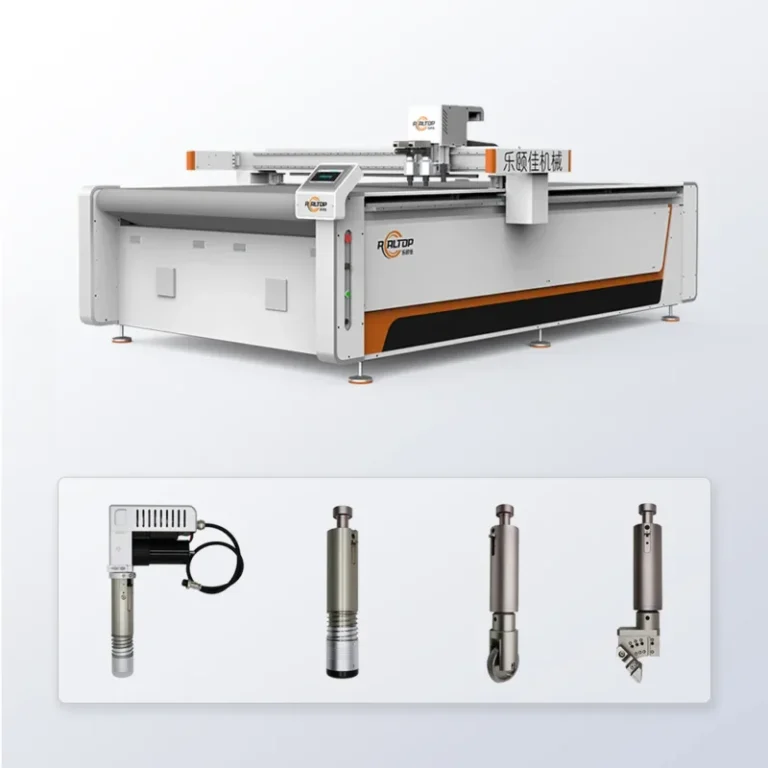
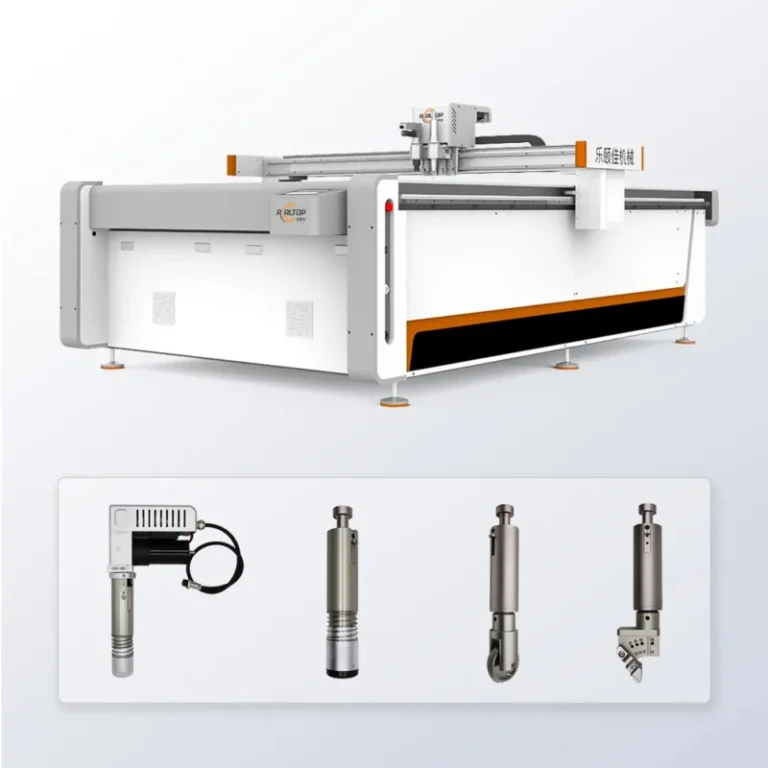
Oscillating knife cutting, also known as vibrating knife cutting, uses a mechanically driven blade that moves up and down at high frequency while moving along the cut path. This action mimics a hand-held knife but with computer-controlled precision and speed. Because it is a mechanical process, it generates negligible heat. This is why it is referred to as "cold cutting."
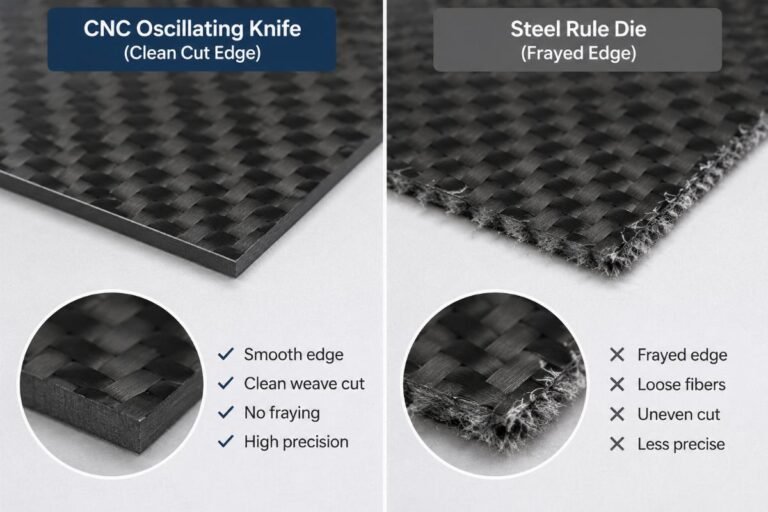
When an oscillating blade cuts through PTFE membrane, it slices through the polymer chains physically rather than melting them. The result is a clean, white edge that retains the original material properties. There is no discoloration, no carbonization, and no brittle zone. The tensile strength at the edge remains consistent with the rest of the membrane, ensuring reliability in demanding applications.
This method is particularly effective for maintaining the dimensional stability of the part. Without thermal expansion and contraction during the cut, the final dimensions match the digital design file closely. Modern CNC oscillating knife machines can achieve high precision, making them suitable for complex shapes and intricate patterns that were once thought to require laser precision.

In my experience, switching from laser to oscillating knife for PTFE projects eliminated edge-related complaints entirely. The material behaved as expected during sealing and lamination processes because the edge chemistry remained unchanged. For any serious PTFE membrane cutting manufacturer, adopting cold-cutting technology is a step toward reducing waste and improving product consistency.
Laser vs Blade: Which Fits Your PTFE Thickness?
Material thickness and layer composition dictate the optimal cutting method.
Not all PTFE applications are the same. Thin films behave differently than thick composites or multi-layer laminates. Understanding these differences helps in selecting the right equipment. Below is a comparison of how laser and oscillating blade technologies perform across different PTFE configurations.
| Feature | Thin PTFE Film (<0.5mm) | Thick PTFE Composite (>1mm) | Multi-Layer Laminates |
|---|---|---|---|
| Laser Performance | Poor. High risk of yellowing and edge curling due to heat buildup. | Moderate. Can cut but requires high power, increasing HAZ size and fume production. | Poor. Risk of delamination and melting between layers. |
| Oscillating Blade Performance | Excellent. Clean cuts with no thermal damage. Requires sharp, fine blades. | Excellent. Handles thickness well with robust tool heads. No heat distortion. | Superior. Cuts through layers uniformly without melting adhesives or interfaces. |
| Edge Quality | Brittle, discolored. | Carbonized, rough. | Uneven, potentially bonded incorrectly due to heat. |
| Material Waste | Higher due to wide kerf and burn margin. | Moderate. | High due to layer separation issues. |
| Best Use Case | Not recommended for critical seals. | Acceptable for non-critical structural parts. | Ideal for gaskets, seals, and technical textiles. |
A European composite processor once struggled with delamination issues when using a laser to cut a three-layer PTFE-glass fiber composite. The heat from the laser melted the adhesive layer, causing the sheets to separate at the edges. Switching to an oscillating knife solved the problem immediately. The blade cut through all layers simultaneously without generating enough heat to affect the adhesive bond.
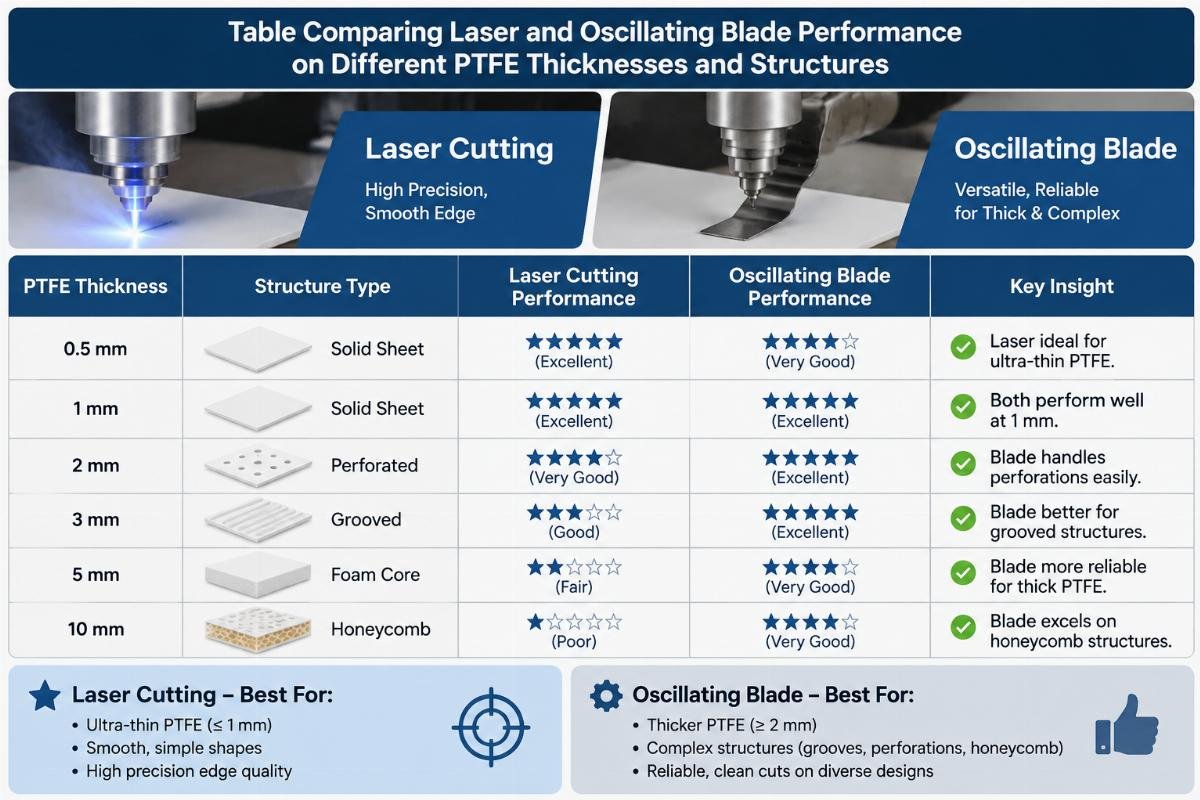
For a PTFE membrane cutting manufacturer, versatility is key. While lasers might seem like a one-size-fits-all solution, they fail when material complexity increases. Oscillating knives adapt to thickness and layer count without compromising edge quality.
What Precision and Speed Can Blade Machines Deliver?
High-speed CNC knives offer micron-level accuracy without thermal trade-offs.
There is a misconception that mechanical cutting is slower and less precise than laser cutting. Modern CNC oscillating knife technology has disproven this. With advanced servo motors and smart nesting software, these machines can achieve cutting speeds ranging from 200 to 2000 mm/s, depending on the material density and thickness. This speed is competitive with, and often exceeds, laser cutting for thick or reflective materials where lasers struggle with efficiency.
Precision is another area where oscillating knives excel. High-end machines can maintain tolerances within ±0.1mm. This level of accuracy is sufficient for most gasket, seal, and membrane applications. The key advantage is that this precision is achieved without the dimensional drift caused by heat. When a laser cuts, the material expands slightly during the process and contracts upon cooling, which can alter the final shape. An oscillating knife cuts the material in its natural state, ensuring the part fits the design exactly.
Consider a project requiring intricate gasket shapes from a dense PTFE sheet. A laser would need to slow down to manage heat buildup, increasing cycle time and risking edge damage. An oscillating knife can maintain high speed throughout the cut, producing clean corners and smooth curves efficiently. The smart nesting software further optimizes material usage, reducing waste by arranging parts tightly on the sheet.
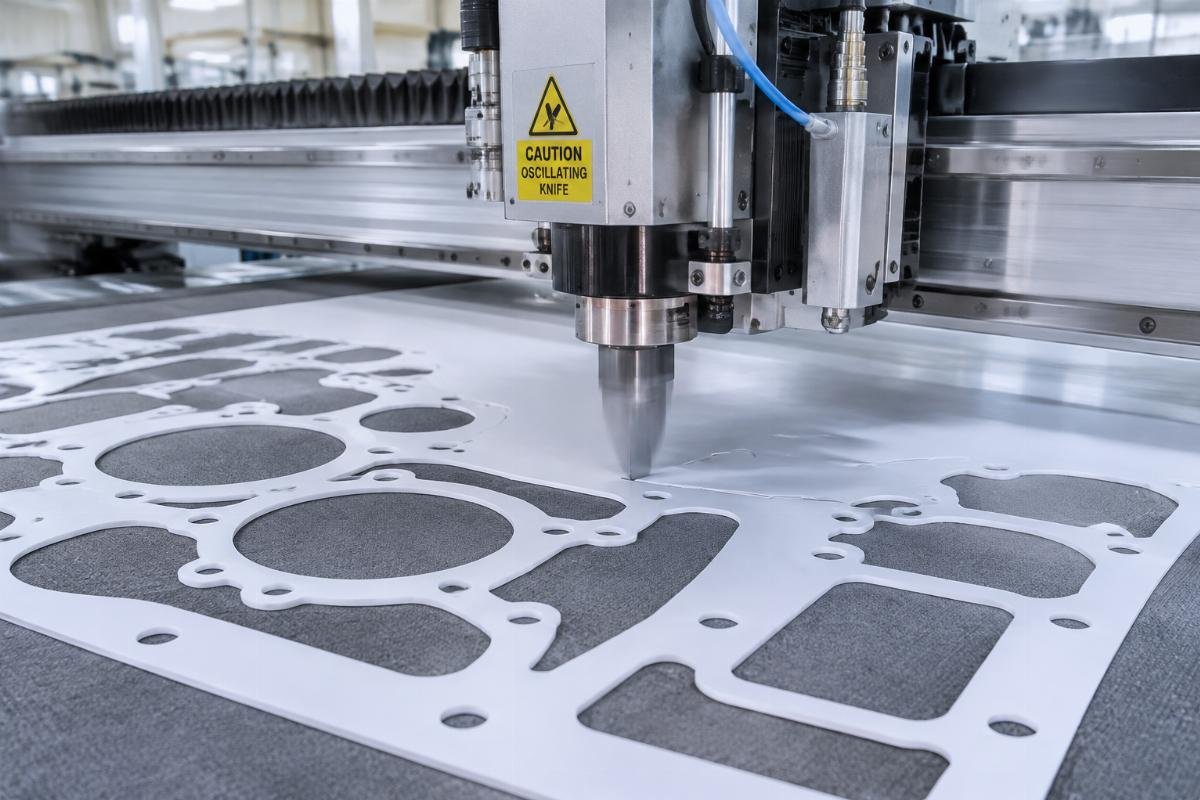
For businesses evaluating a PTFE membrane cutting manufacturer, the ability to deliver high-volume orders with consistent precision is crucial. Oscillating knife systems provide this scalability. They handle everything from single prototypes to large production runs without the need for physical dies, reducing setup time and cost.
Conclusion
Choose cold cutting to protect PTFE material properties.
Laser cutting introduces heat that damages PTFE membranes, leading to brittle, carbonized edges and potential failure. Oscillating blade cutting offers a superior alternative by providing clean, strong edges through a cold-cutting process. It delivers high precision and speed without thermal distortion, making it the ideal choice for thin films, thick composites, and multi-layer laminates. For any PTFE membrane cutting manufacturer aiming for quality and efficiency, investing in oscillating knife technology is a strategic move that reduces waste and enhances product reliability.