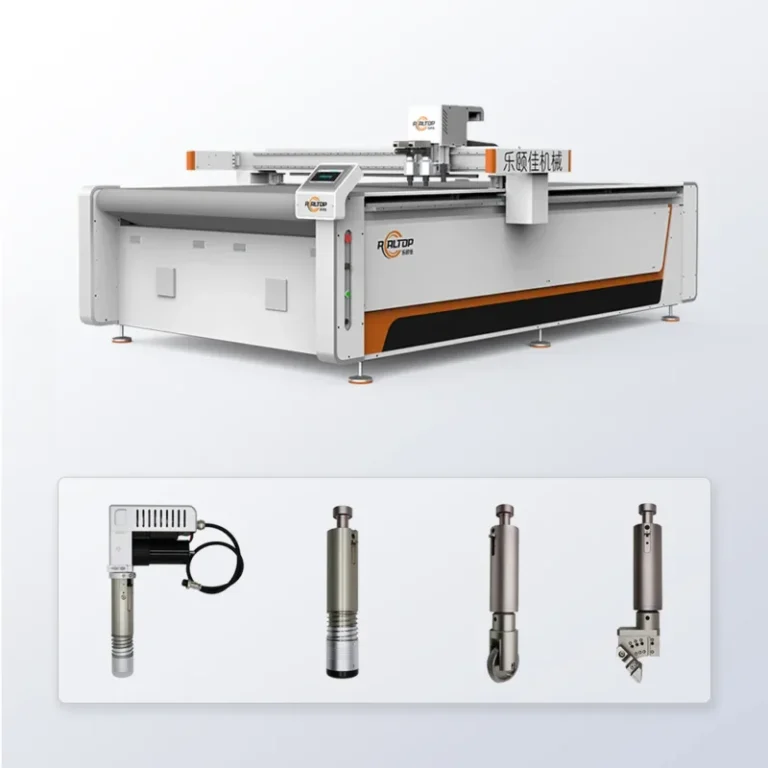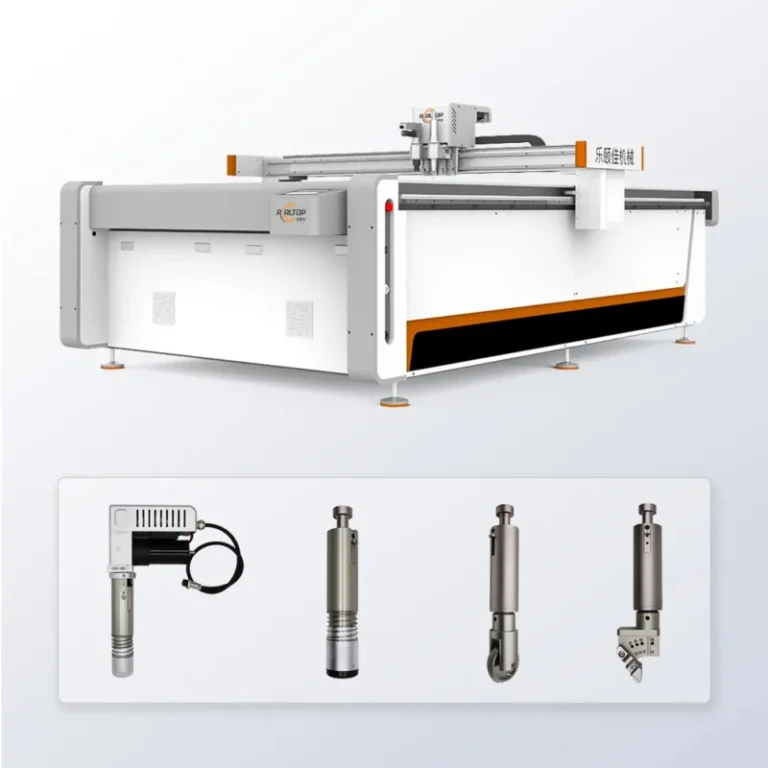
Technical Textile Cutting Machine Manufacturer for Pakistan

The cheapest machine on the quote is often the most expensive line item on your balance sheet.
Sourcing a technical textile cutting machine in Pakistan requires prioritizing ±0.1mm precision and smart nesting software over initial capital expenditure to prevent material waste. Manufacturers who focus solely on the sticker price frequently encounter hidden costs from edge fraying, synthetic melting, and excessive fabric scrap rates that erode profit margins within the first year of operation.
I still remember the humidity in an Indonesian factory where I once sourced equipment for a client. We opted for a low-cost vibrating knife cutter to save on upfront costs. The machine looked robust, but when it hit thick canvas layers, the precision drifted noticeably. The entire batch of material was ruined due to inconsistent cuts and frayed edges. That loss cost several times the savings we thought we had secured. Now, when advising textile buyers in Pakistan, I do not start with price lists. I start with tolerance specs. Buying a machine is not just acquiring metal; it is securing a process. If the tool head and nesting software are mismatched to your material, the money saved on the invoice is quickly paid back in wasted technical fabrics.
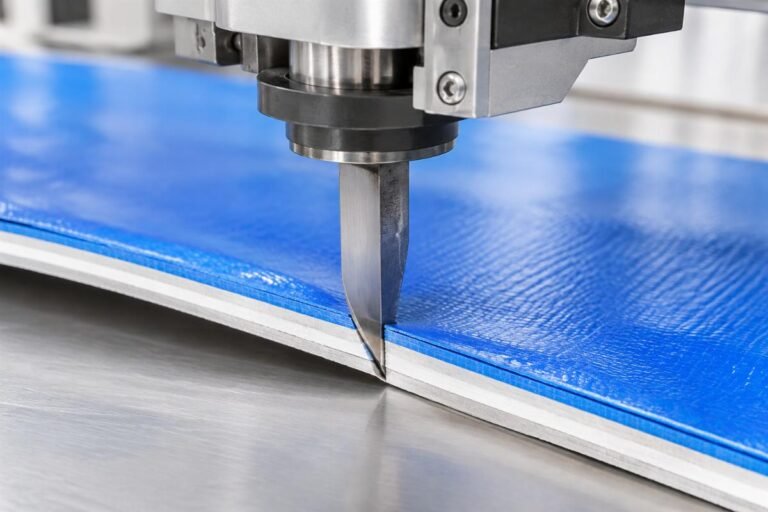
This guide breaks down how to evaluate suppliers, compare specifications, and verify reliability for your production floor.
Why Precision Matters More Than Price in Pakistan?
Precision drift is silent until it destroys your margin.
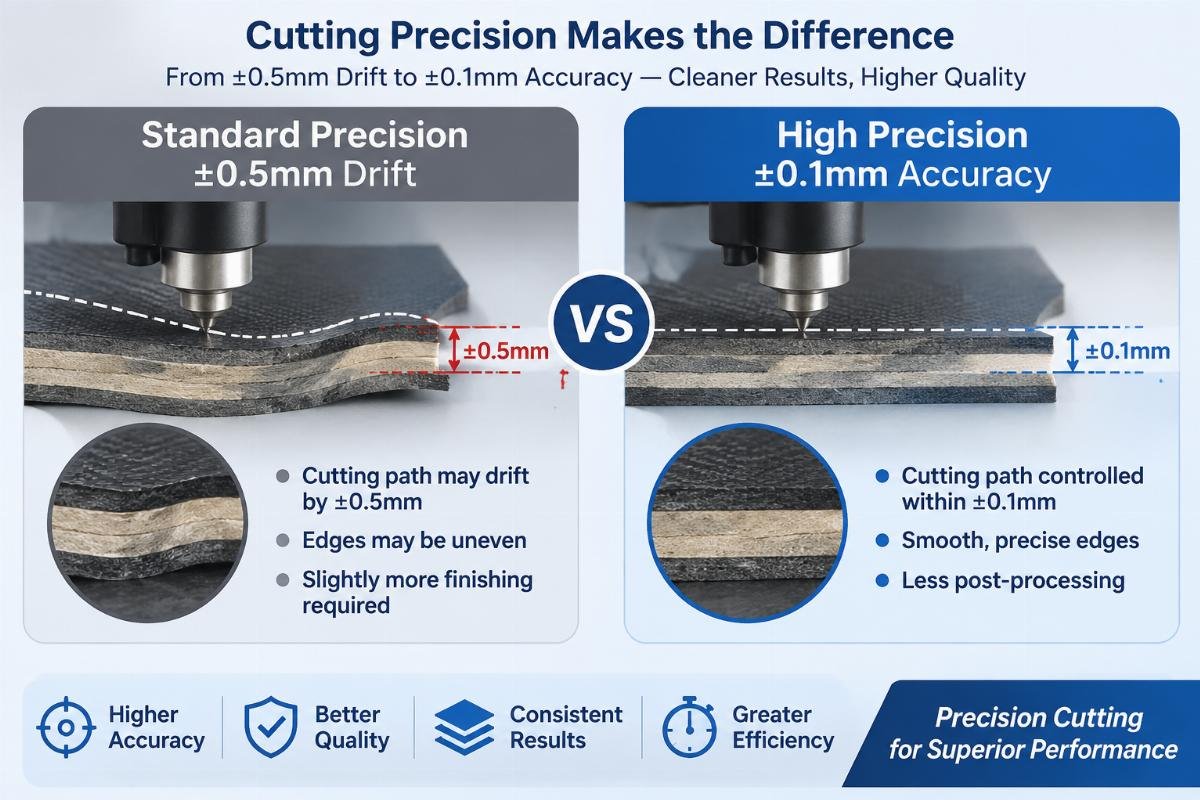
In the Pakistani market, where energy costs and raw material prices fluctuate, efficiency is the primary defense against volatility. Many buyers initially compare machines based on motor power or table size. However, the critical metric for technical textiles—such as carbon fiber, fiberglass, or multi-layer apparel fabrics—is cutting accuracy. Standard oscillating knives may operate with a tolerance of ±0.5mm. For rough cardboard, this is acceptable. For technical composites or high-end garment patterns, this variance causes edge fraying and assembly issues.
A composite factory I consulted with recently faced recurring quality rejections. Their issue was not the material quality but the cutting tool’s inability to maintain a tight path through dense layers. Switching to a system with ±0.1mm precision eliminated the fraying entirely. This level of accuracy ensures that every cut piece fits perfectly in the next stage of production, reducing rework and manual trimming.
When evaluating a technical textile cutting machine supplier, ask for test cuts on your specific material. Do not rely on brochure claims. Observe the edge quality under magnification. A machine that maintains ±0.1mm precision consistently will save you more in material recovery than a cheaper unit will save in purchase price. Realtop Machinery, for instance, engineers its oscillating knife systems to maintain this tight tolerance even at high speeds, ensuring that the integrity of technical fabrics is preserved from the first cut to the last.

How to Compare CNC Oscillating Knife Specifications?
Speed without control is just faster waste.
Comparing CNC oscillating knife cutters requires looking beyond the maximum speed rating. A machine capable of 2000mm/s is useless if it cannot adjust dynamically to material density or if the blade overheats. The key is to balance speed with thermal management and tool versatility.
Below is a qualitative comparison framework for evaluating specifications:
| Feature | Basic Entry-Level Cutter | Professional Grade Oscillating Cutter |
|---|---|---|
| Cutting Precision | Standard (±0.5mm range) | High (±0.1mm range) |
| Speed Control | Fixed or limited adjustment | Dynamic (200-2000mm/s adjustable) |
| Tool Head Versatility | Single fixed blade | Multi-tool support (oscillating, drag, creasing) |
| Thermal Management | Passive cooling | Active monitoring to prevent synthetic melting |
| Voltage Compatibility | Single option | Flexible (220V/380V/330V options) |
| Software Integration | Basic CAD import | Smart nesting with auto-optimization |
A multi-layer garment factory I worked with experienced blade overheating when cutting synthetic blends. The high speed generated friction, melting the fabric edges and creating stiff, unusable seams. By switching to a cutter with adjustable speed ranges and better heat dissipation, they resolved the issue. The ability to slow down for dense layers and speed up for lighter fabrics is crucial.
Additionally, voltage compatibility is vital in regions with fluctuating power grids. Machines that offer flexible voltage inputs (220V/380V) ensure consistent performance without requiring expensive external stabilizers. When reviewing specs from a Pakistan textile cutting machine supplier, verify that the motor and drive system are rated for continuous industrial use, not just intermittent prototyping.

What Software Features Save Material Costs?
The blade cuts the fabric, but the algorithm saves the profit.
Hardware gets the attention, but software drives the ROI. In technical textile manufacturing, material costs often account for the majority of production expenses. Poor nesting—the arrangement of pattern pieces on the fabric roll—leads to significant waste. Advanced nesting algorithms can reduce this waste by up to 15%, a saving that directly impacts the bottom line.
Smart nesting software analyzes the shape of each pattern piece and arranges them to minimize gaps. It considers grain direction, which is critical for apparel and upholstery, ensuring that the fabric’s structural integrity is maintained. A packaging studio I advised switched from manual nesting to automated smart nesting. The reduction in scrap material was noticeable immediately, covering the cost of the software upgrade within months.
When sourcing a CNC oscillating knife cutter for composites or fabrics, check if the software supports automatic optimization. Does it allow for manual override when necessary? Can it handle complex shapes without leaving large unused spaces? Realtop’s smart nesting software is designed to maximize material utilization, offering a tangible return on investment through reduced waste. This feature is particularly valuable for high-cost technical textiles where every square meter counts.
Furthermore, the software should integrate seamlessly with your existing CAD/CAM workflows. Clunky interfaces lead to operator errors and slower setup times. Look for intuitive controls that allow quick adjustments to nesting parameters. The goal is to make the software an invisible assistant that continuously optimizes your material usage without requiring constant manual intervention.

How to Verify Supplier Reliability and After-Sales?
A machine is only as good as the support behind it.
Buying from overseas introduces risks related to maintenance and downtime. A broken machine in Lahore or Karachi cannot wait weeks for a spare part. Therefore, verifying supplier reliability is as important as checking technical specs. Start with certifications. CE certification indicates that the machine meets international safety and quality standards.
Next, examine the warranty terms. A three-year warranty suggests confidence in the build quality. Shorter warranties may indicate that the manufacturer expects components to fail sooner. Ask about after-sales support structures. Is there 24/7 remote technical support? Can they diagnose issues via remote diagnostics? These features minimize downtime by allowing experts to troubleshoot software or parameter issues without flying in a technician.
I recall a buyer who purchased a cutter from a supplier with no local support network. When a servo motor failed, production stopped for weeks. In contrast, manufacturers like Realtop provide comprehensive after-sales packages, including free operator training and remote diagnostics. This support structure ensures that your team can resolve minor issues quickly and that major problems are addressed with priority.
Finally, request references from other buyers in your region. A reliable Pakistan textile cutting machine supplier will have a track record of successful installations. Check if they offer free sample cutting services. This allows you to test their machine with your actual materials before committing. It is a low-risk way to verify both the hardware performance and the supplier’s responsiveness.

Conclusion
Invest in precision, not just hardware.
Sourcing a technical textile cutting machine in Pakistan demands a shift in perspective from initial cost to total operational efficiency. Prioritizing ±0.1mm precision, adjustable speed controls, and smart nesting software prevents the hidden costs of material waste and rework. Verify supplier reliability through CE certifications, robust warranty terms, and responsive after-sales support. By focusing on these core elements, manufacturers can secure a cutting solution that enhances productivity and protects profit margins in the long term.