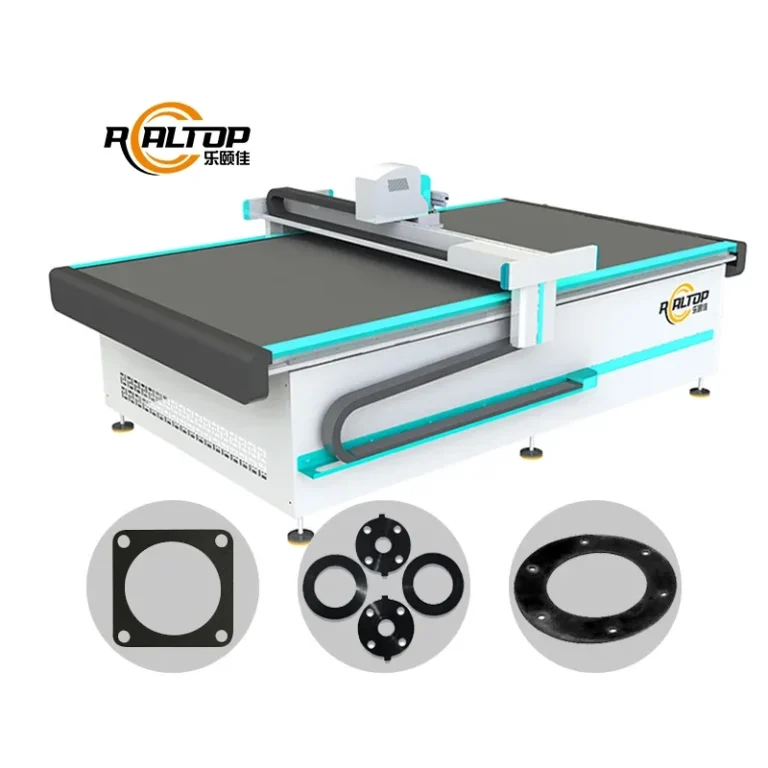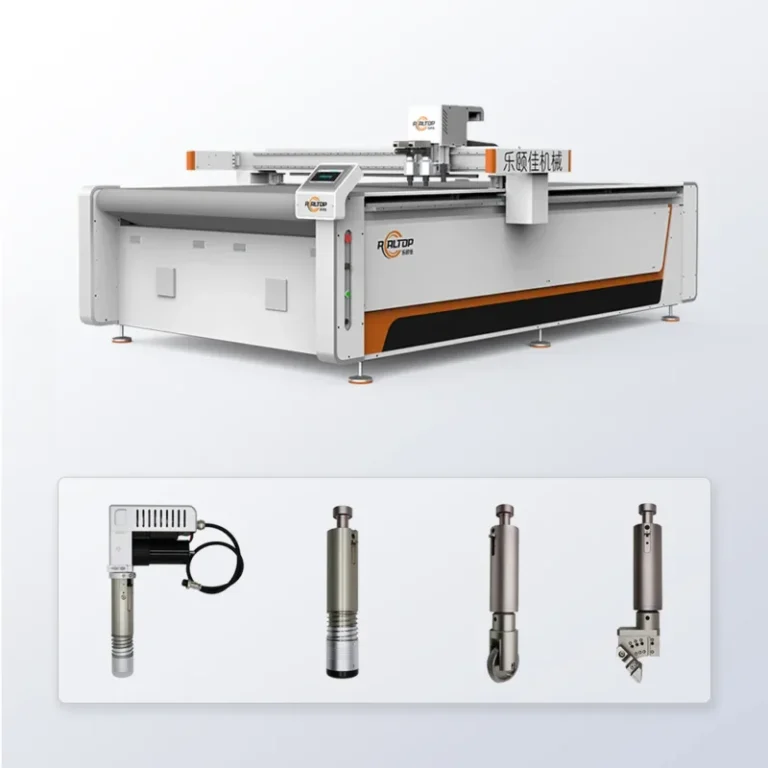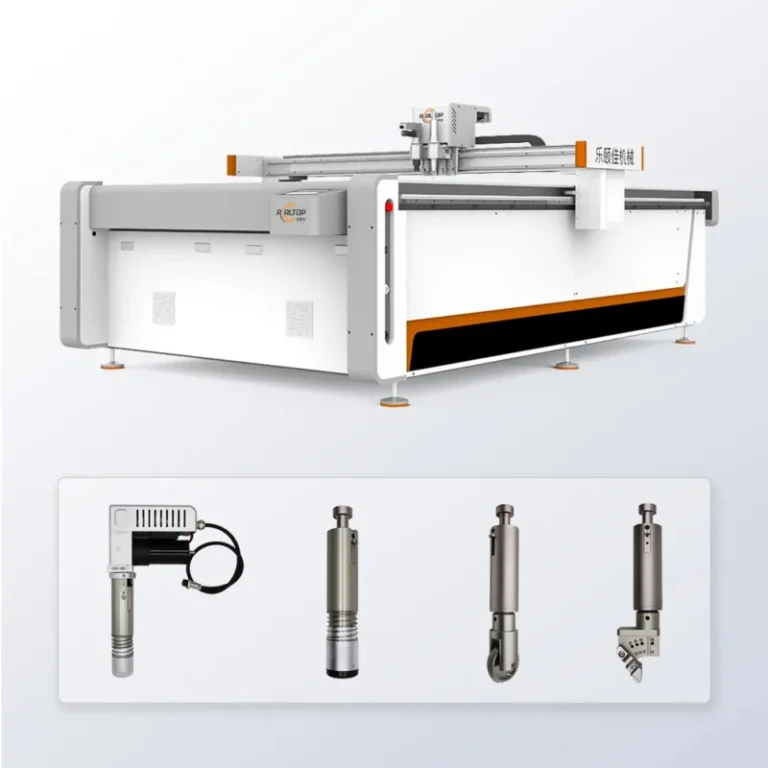
Realtop Fiberglass Cutting Machine Manufacturer in India for Sale

The sticker price is rarely the true cost of ownership.
To successfully buy a fiberglass cutting machine in India, you must prioritize voltage compatibility with local grid fluctuations, secure complete CE certification documentation before shipment to avoid port demurrage, and select an oscillating knife system that prioritizes ±0.1mm precision over raw cutting speed to prevent material fraying.
I still remember the smell of burnt electronics mixing with the humid air at a workshop in Johannesburg. It was not a dramatic fire, just the quiet, expensive failure of a vibrating knife mainboard. The local grid had dipped, and the machine, configured for a stable European supply, could not handle the variance. That silence was louder than any alarm. Later, watching a container sit idle at Lagos port for weeks because a single page of CE certification was missing from the dossier taught me that paperwork is as critical as hardware. These are not theoretical risks; they are operational realities that define whether a fiberglass cutting machine India investment yields profit or becomes a liability.
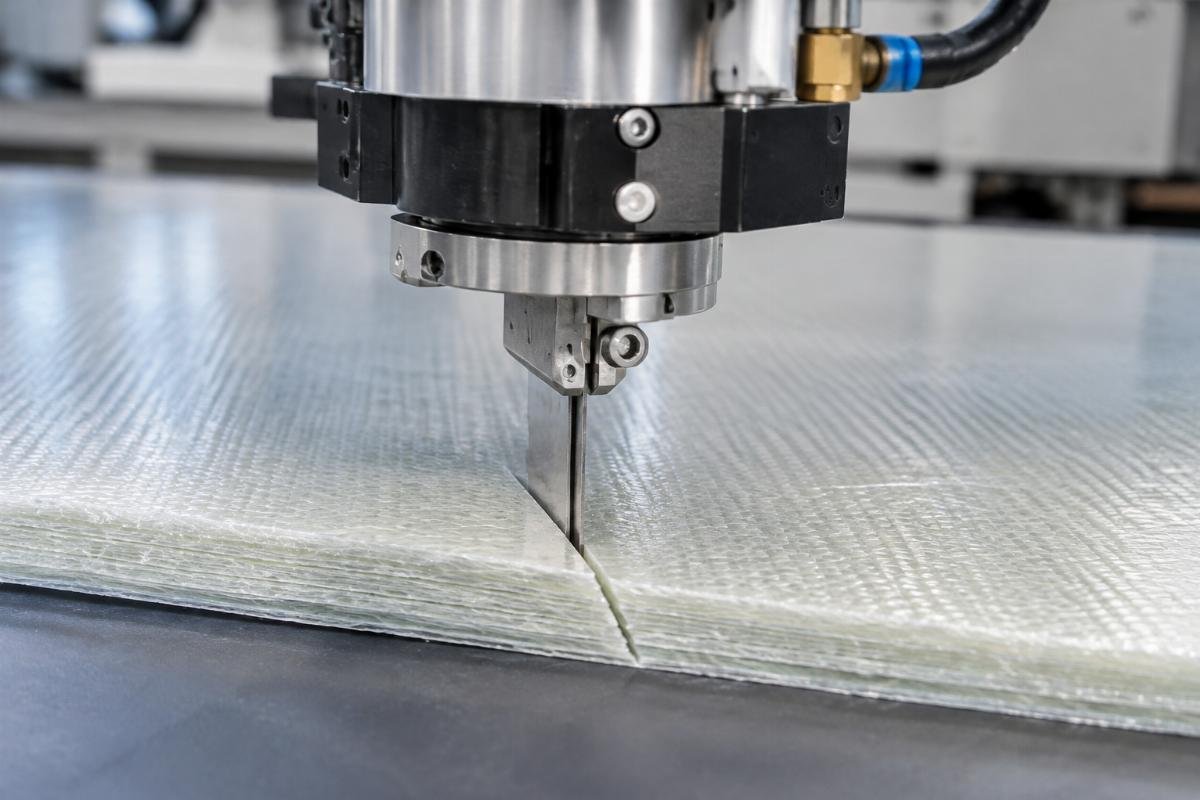
When sourcing equipment for the Indian market, the focus often shifts incorrectly to the initial purchase price. However, the hidden costs of customs delays, component replacement due to power instability, and material waste from poor nesting algorithms can quickly eclipse the savings from a cheaper unit. This guide breaks down the technical and logistical necessities for importing CNC cutting solutions, ensuring that your operation runs smoothly from day one.
What Voltage Specs Do Indian Grids Require for CNC Cutters?
Standard industrial voltage ratings are insufficient without built-in tolerance for grid instability.
Industrial power grids in many regions, including parts of India, experience fluctuations that can deviate significantly from nominal values. A machine rated strictly for 380V may suffer immediate damage if the local supply spikes or drops beyond a narrow margin. The core issue is not just the voltage level but the stability of the phase balance and frequency.
In my experience, assuming that a "standard" industrial connection is safe is a costly error. The mainboards of CNC oscillating knife cutters are sensitive electronic components. When the input voltage fluctuates wildly, the internal power supplies struggle to regulate, leading to overheating and eventual failure. This is not a matter of if, but when, in areas with inconsistent infrastructure.
| Voltage Configuration | Grid Stability Tolerance | Risk Level in Unstable Grids | Recommended Protection |
|---|---|---|---|
| Fixed 220V/380V | Low | High | External stabilizer required |
| Customizable 220V/380V/330V | Moderate | Medium | Built-in surge protection advised |
| Wide-Range Input Design | High | Low | Minimal external protection needed |
The table above illustrates why flexibility in voltage configuration is non-negotiable. A machine that offers customizable options, such as 220V, 380V, or 330V, allows for adaptation to the specific electrical environment of the installation site. This adaptability prevents the catastrophic failure of the vibrating knife mainboard, a component that is both expensive and time-consuming to replace.
For buyers evaluating a fiberglass cutting machine India, verifying the electrical specifications is the first step in risk mitigation. It is not enough to ask if the machine works on 380V; you must ask how it handles variance. Manufacturers who provide wide-range input designs or robust internal regulation demonstrate an understanding of real-world operating conditions. This technical foresight saves operators from unplanned downtime and the frustration of waiting for imported spare parts.

Which CE Documents Are Mandatory for Indian Customs Clearance?
Incomplete certification paperwork causes more delays than mechanical defects.
Customs clearance is a procedural hurdle that requires precise documentation. The CE mark is not just a label on the machine; it represents a suite of technical files and declarations that prove compliance with international safety and environmental standards. Missing even a single copy of these documents can result in the cargo being held at the port, accruing demurrage charges that accumulate daily.
I recall a shipment destined for West Africa that was detained for two months. The reason was not a faulty motor or a broken blade, but the absence of a specific CE declaration copy in the shipping dossier. The cost of storage and penalties far exceeded the value of the paper itself. This scenario is repeatable in any jurisdiction with strict import controls, including India.
To avoid this, buyers must ensure that the supplier provides a complete set of CE certification documents before the machine leaves the factory. This includes the Declaration of Conformity, technical construction files, and test reports. These documents should be verified for accuracy, ensuring that serial numbers and model descriptions match the physical equipment exactly.
| Document Type | Purpose | Consequence of Missing | Verification Method |
|---|---|---|---|
| Declaration of Conformity | Proves compliance with EU directives | Cargo hold at port | Check model/serial match |
| Technical Construction File | Details safety design and components | Request for additional info | Review with customs broker |
| Test Reports | Validates performance and safety claims | Delay in clearance process | Verify issuing laboratory |
When you look for a fiberglass cutting machine India, treat the documentation package with the same scrutiny as the hardware. A reputable manufacturer will include these documents as a standard part of the export process. They understand that smooth customs clearance is part of the product delivery. Ensuring that CE-certified compliance is fully documented protects your investment from administrative bottlenecks that can stall production before it begins.

How to Compare Oscillating Knife Specs for Fiberglass Cutting?
Precision matters more than speed for preventing material fraying.
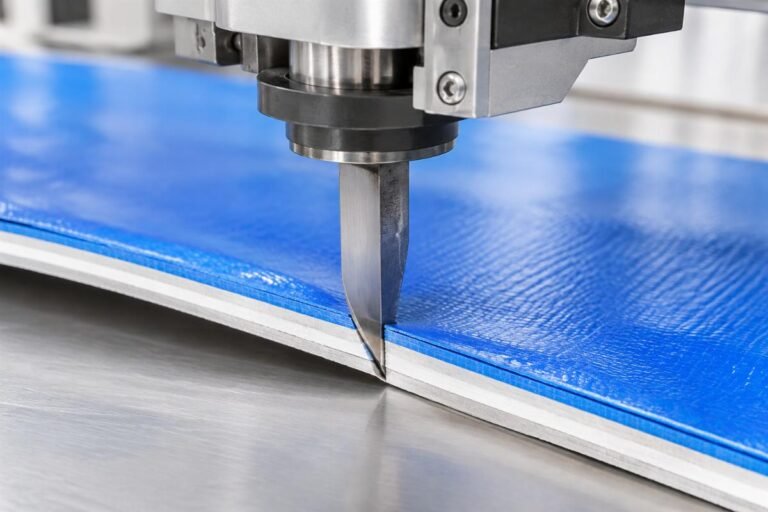
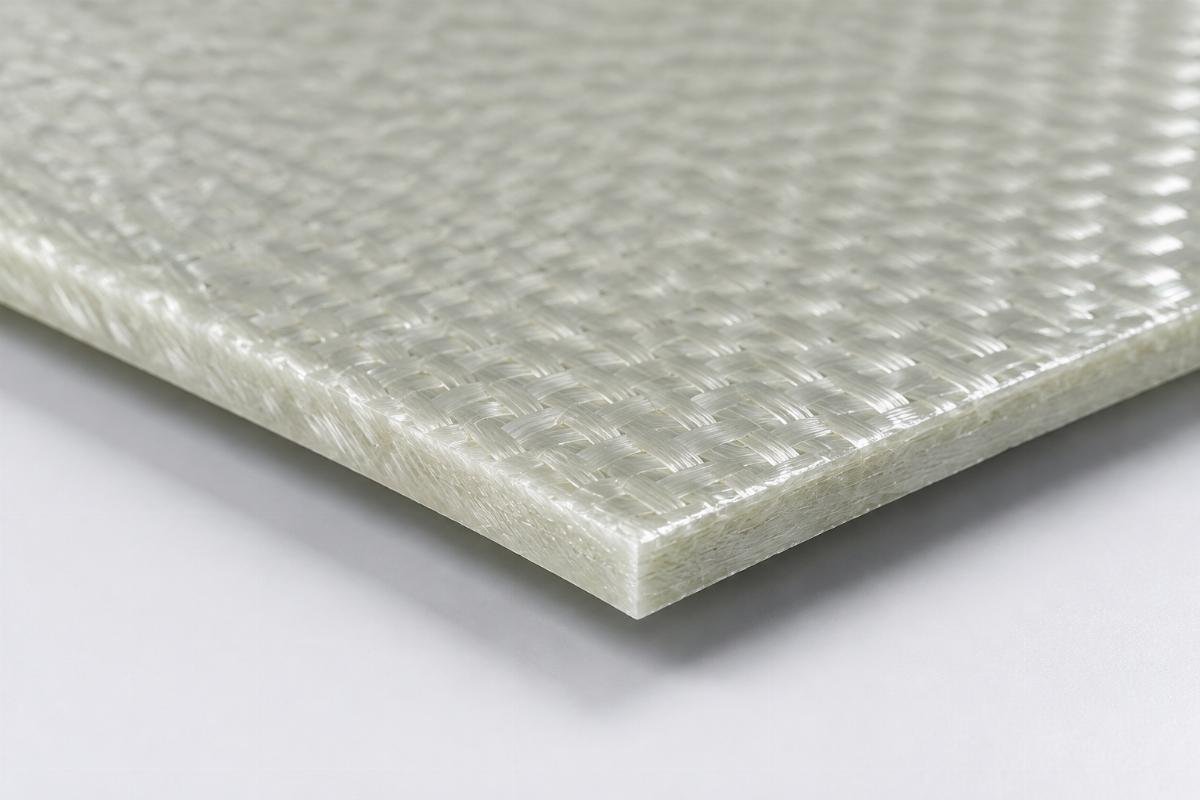
Fiberglass and other composite materials are prone to fraying and delamination if cut with excessive force or improper tooling. While high cutting speeds are attractive, they often compromise edge quality. An oscillating knife cutter that prioritizes ±0.1mm precision ensures clean cuts without pulling or tearing the fibers. This level of accuracy is critical for maintaining the structural integrity and aesthetic quality of the final product.
The trade-off between speed and precision is a common misconception. Many buyers assume that faster is better, but in composite processing, consistency is king. A machine that cuts at 2000mm/s but leaves ragged edges requires secondary finishing, which negates the time saved. Conversely, a machine that maintains ±0.1mm precision at moderate speeds produces ready-to-use parts, reducing overall workflow time.
Smart nesting software plays a crucial role in this equation. By optimizing the layout of parts on the material sheet, it minimizes waste. Efficient nesting can lead to significant material savings, directly impacting the bottom line. For fiberglass, where material costs are substantial, reducing scrap rates is a key operational goal.
| Feature | Impact on Fiberglass Cutting | Operational Benefit |
|---|---|---|
| ±0.1mm Precision | Prevents fraying and delamination | Reduced secondary finishing |
| Smart Nesting Software | Optimizes material usage | Lower material waste costs |
| Oscillating Knife Action | Clean vertical cuts | Preserves fiber integrity |
When comparing options for a fiberglass cutting machine India, focus on the precision specs and nesting capabilities. Look for systems that offer intelligent path planning to reduce unnecessary movements and maintain consistent knife pressure. This approach ensures that each cut is clean and efficient, minimizing material waste and maximizing throughput. The goal is not just to cut fast, but to cut right.
What After-Sales Support Guarantees Minimal Downtime?
Remote diagnostics resolve issues faster than onsite visits.
Technical issues are inevitable in any industrial setting. The speed at which they are resolved determines the impact on production. Traditional onsite support can take days or weeks to arrange, especially across international borders. Modern CNC machines equipped with remote diagnostic capabilities allow technicians to identify and often resolve problems without leaving their offices. This reduces downtime from days to hours.
A comprehensive warranty is also essential. A three-year warranty covers major components and provides peace of mind against manufacturing defects. However, the value of the warranty is realized only if the support structure behind it is responsive. 24/7 online technical support ensures that help is available whenever an issue arises, regardless of time zones.
| Support Feature | Response Time | Impact on Downtime |
|---|---|---|
| Remote Diagnostics | Minutes to Hours | Minimal |
| Onsite Visit | Days to Weeks | Significant |
| 24/7 Online Support | Immediate | Reduced troubleshooting time |
| 3-Year Warranty | N/A | Financial protection |
For buyers investing in a fiberglass cutting machine India, after-sales support is not an optional extra; it is a core component of the purchase. Ensure that the manufacturer offers robust remote diagnostic tools and a clear warranty policy. This support network acts as an insurance policy for your production continuity, ensuring that minor glitches do not become major stoppages.

Conclusion
Successful procurement balances technical specs with logistical reality.
Buying a fiberglass cutting machine India requires a holistic approach that goes beyond the initial price tag. By ensuring voltage compatibility, securing complete CE documentation, prioritizing precision over speed, and verifying robust after-sales support, buyers can avoid common pitfalls. These steps transform a potential operational headache into a reliable asset that drives efficiency and quality in composite material processing. The right machine, supported by the right preparation, delivers value long after the installation is complete.