Filter Cloth Cutting Machine for Sale: How to Pick Right Model

The cheapest machine is often the most expensive mistake you will make this quarter.
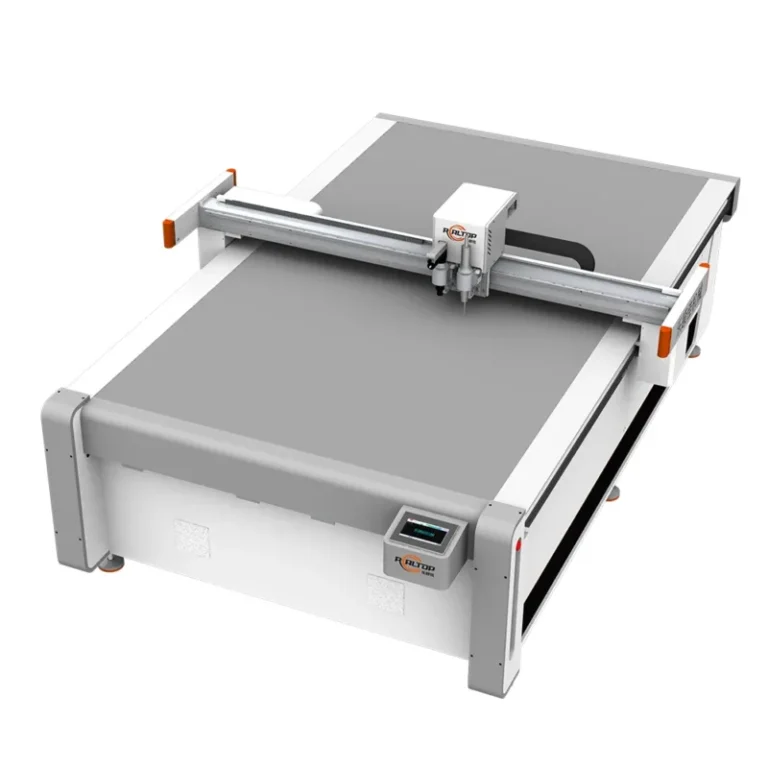
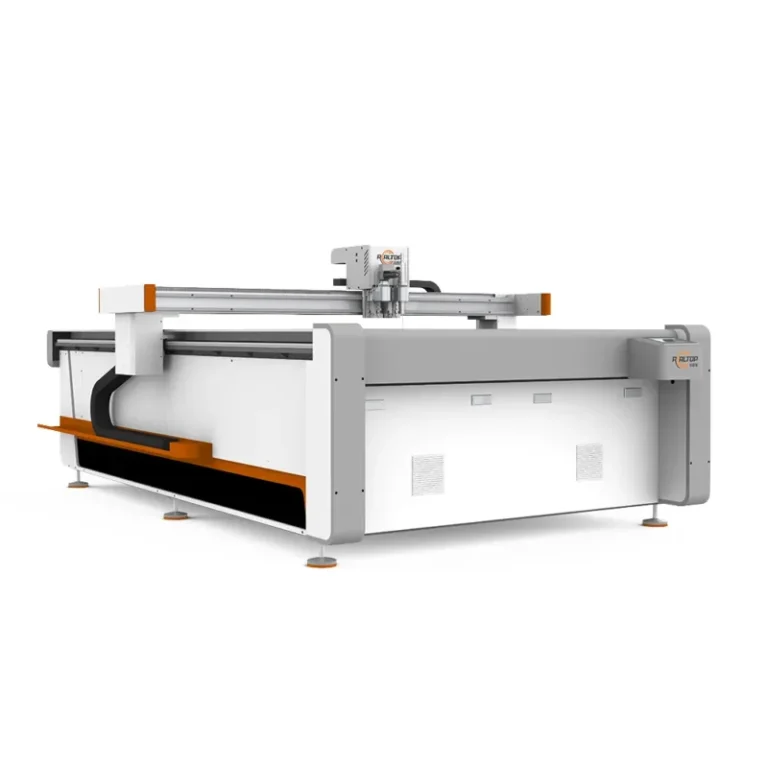
Picking the right filter cloth cutting machine requires matching the exact tool path, blade frequency, and knife type to the material’s tensile strength and woven structure, rather than simply selecting the lowest-priced standard model. A mismatch here does not just slow down production; it causes edge unraveling that ruins entire batches of high-value PTFE or multi-layer composite media.
I still remember the humidity in the workshop when we prepared a shipment of PTFE filter media for a chemical plant in Dubai. The buyer had insisted on a standard, entry-level cutter to keep initial costs down, ignoring our recommendations regarding blade frequency tuning. The vibrating knife on that machine was not calibrated for the specific density of their multi-layer woven structure. As the machine ran at high speed, the edges did not cut cleanly; they frayed and unraveled immediately. The client scrapped the entire batch and demanded a refund. That loss was far greater than the savings from buying the cheaper machine. It reinforced a hard truth: precision in digital cutting is not about the price tag, but about the compatibility between the oscillating knife dynamics and the physical properties of the filter media.

This guide breaks down the technical specifications that actually matter. We will look at why standard cutters fail, how to match blade types to tensile strength, and what specifications ensure high-speed precision without sacrificing edge quality.
Why Do Standard Cutters Fail on Filter Cloth?
Standard cutters fail because they treat all fabrics as uniform, ignoring the complex tensile behavior of multi-layer woven structures.
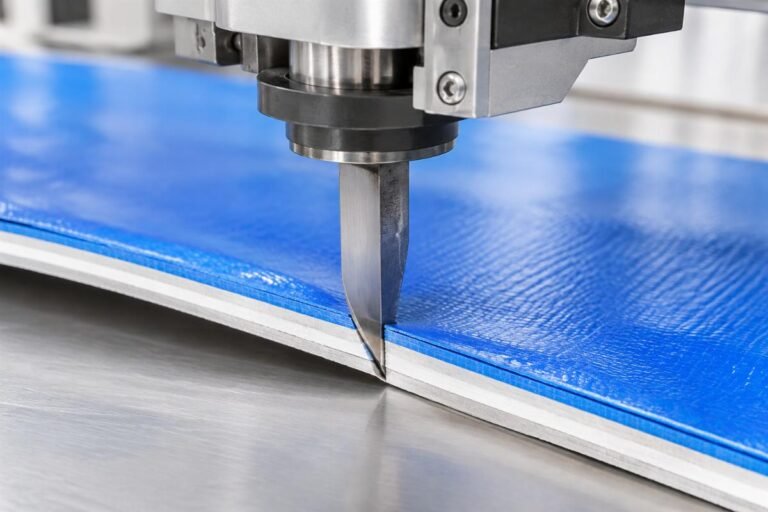
Most general-purpose fabric cutters are designed for single-layer apparel textiles or non-woven materials. Filter media, especially those used in industrial dust collection or water treatment, often consist of multiple layers of woven synthetic fibers like PTFE, polyester, or fiberglass. These materials have high tensile strength and a tight weave that resists separation. When a standard blade moves through them without the correct oscillation pattern, it pushes the fibers aside rather than slicing them. This results in pulled threads and uneven edges.
Consider a case from a dust collector fabric workshop. They used a standard model for cutting heavy-duty filter bags. The cuts appeared acceptable at first glance, but upon inspection, the dimensional deviation was significant. The inconsistency led to poor sealing when the bags were installed in the dust collectors, causing leaks and reduced filtration efficiency. The material waste percentage increased noticeably because every misaligned cut meant discarding the entire panel.
| Feature | Standard Fabric Cutter | Specialized Filter Cloth Cutting Machine |
|---|---|---|
| Blade Motion | Fixed or low-frequency oscillation | High-frequency vibrating knife tailored to weave density |
| Edge Quality | Prone to fraying on multi-layer webs | Clean, sealed edges with minimal unraveling |
| Material Handling | Single-layer focus | Multi-layer capacity with tension control |
| Precision | Suitable for apparel tolerances | ±0.1mm precision for technical composites |
The key difference lies in the tool path. A specialized filter cloth cutting machine uses an optimized tool path that accounts for the material’s resistance. It slows down slightly at corners and adjusts the blade angle to prevent the weave from distorting. This ensures that the cut edge remains intact and ready for sewing or welding without additional finishing work.

How to Match Blade Type to Material Tensile Strength?
Oscillating knife settings must align with the specific tensile strength of PTFE or composite filter media to prevent blade deflection.
Not all vibrating knives are created equal. The amplitude and frequency of the blade oscillation must be tuned to the hardness and thickness of the material. PTFE filter media, for instance, is known for its chemical resistance and high melting point, but it can be slippery and tough. If the blade frequency is too low, the knife drags, causing heat buildup and melting the synthetic fibers. If the frequency is too high for a softer composite, it may cause unnecessary wear on the blade without improving cut quality.
A water treatment filter producer once faced issues with fraying edges on their pleated filter cartridges. The root cause was a tool path mismatch. The machine was set for high-speed cutting, which is ideal for simple shapes, but the intricate pleat patterns required slower, more precise movements. The high speed caused the blade to skip over the dense woven sections, leaving behind loose fibers. By adjusting the blade type to a higher-frequency oscillating knife and optimizing the tool path for slower, more deliberate cuts, the edge quality improved dramatically.
When selecting a filter cloth cutting machine, ask the manufacturer about the range of blade frequencies available. Can the machine handle both thin, single-layer meshes and thick, multi-layer felts? The ability to swap blades and adjust oscillation parameters on the fly is crucial for facilities that process diverse types of filter media.

What Specifications Matter for High-Speed Precision?
Prioritize ±0.1mm precision and smart nesting over maximum cutting speed to prevent fraying and material waste.
It is tempting to chase the highest cutting speed, believing it will maximize output. However, on multi-layer woven fabrics, excessive speed destroys edge integrity. The material needs time to settle under the vacuum hold-down system before the blade passes. If the head moves too fast, the fabric shifts, leading to inaccurate cuts and wasted material.
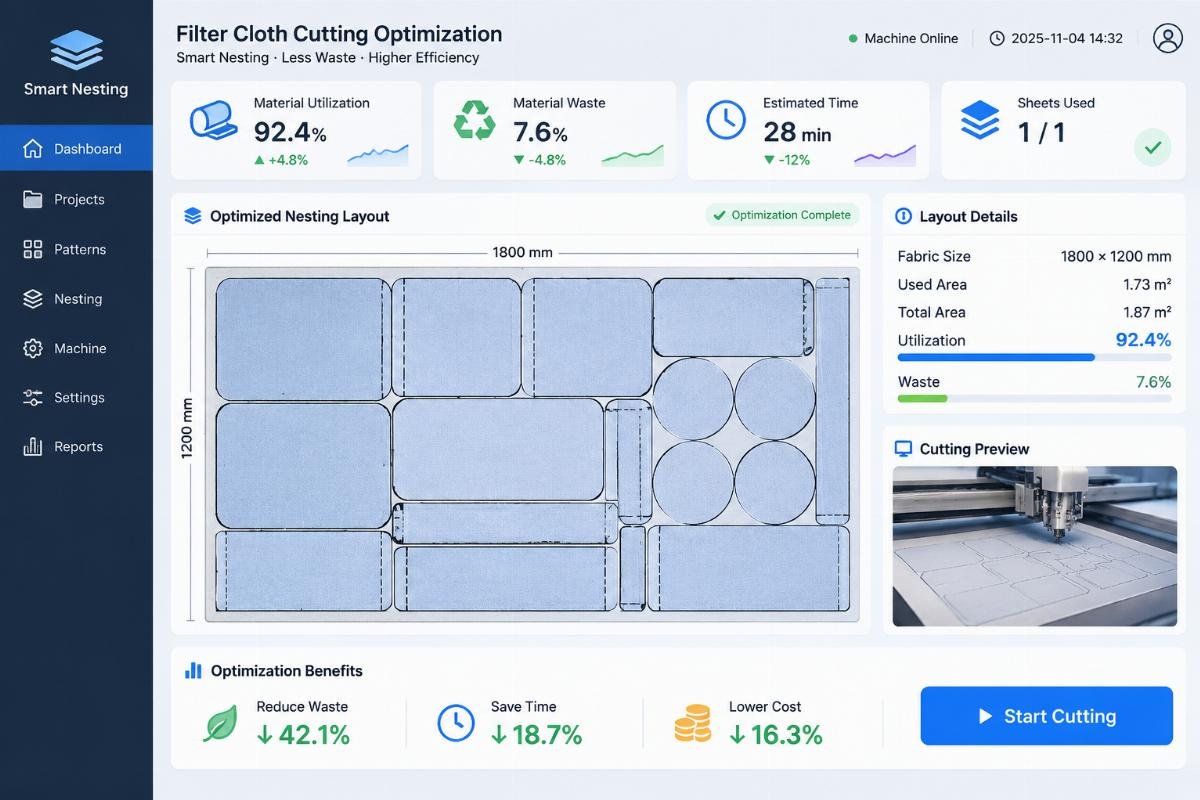
Precision is paramount. A deviation of even a few millimeters can render a filter bag useless if it does not fit the cage properly. Look for machines that offer ±0.1mm cutting precision. This level of accuracy ensures that every piece is identical, reducing assembly time and improving the final product’s performance. Additionally, smart nesting software plays a critical role. It calculates the most efficient layout for parts on the roll of fabric, saving up to 15% in material costs. This is not just about speed; it is about intelligent resource management.
Another critical specification is the vacuum hold-down system. Filter cloths are often lightweight and prone to shifting. A powerful, zoned vacuum table keeps the material flat and stationary during cutting. Without this, even the best vibrating knife will produce inconsistent results. When evaluating a filter cloth cutting machine, check the vacuum pump capacity and whether the table is divided into zones that can be activated independently. This allows for efficient cutting of small parts without wasting energy on empty sections of the table.
How to Verify Machine Capability Before Purchase?
Demand free sample cutting and demonstration videos tailored to your exact filter cloth structure to avoid costly failures.
Brochures and spec sheets can only tell you so much. The only way to truly verify a machine’s capability is to see it cut your specific material. Reputable manufacturers understand this and offer free sample cutting services. Send them a roll of your actual filter media, including the most challenging multi-layer or high-tensile variants. Ask them to cut complex shapes and return the samples to you. Inspect the edges closely. Are there any signs of fraying? Is the dimensional accuracy within your tolerance limits?
At Realtop Machinery, we encourage this approach. Our CE-certified oscillating knife cutters are tested extensively on various composite materials, including PTFE and fiberglass. We provide demonstration videos that show the machine handling these specific materials, highlighting the blade frequency and tool path adjustments. This transparency helps buyers make informed decisions based on real-world performance rather than theoretical claims.
Do not hesitate to ask for references from other clients in the filter manufacturing industry. A machine that works well for cardboard packaging may not be suitable for delicate filter media. Ensure the vendor has experience with your specific application. Their ability to provide tailored advice on blade selection and machine setup is a strong indicator of their expertise. Choosing a filter cloth cutting machine is a long-term investment. Verifying its capability upfront saves time, money, and reputation in the long run.
Conclusion
Matching the machine to the material is the only way to ensure consistent, high-quality filter production.
Selecting the right filter cloth cutting machine involves looking beyond the price tag to understand the interplay between blade frequency, tool path, and material tensile strength. Standard cutters often fail because they lack the precision and customization needed for multi-layer woven structures. By prioritizing ±0.1mm precision, smart nesting, and verified sample testing, manufacturers can avoid edge unraveling and reduce material waste. Trust in the process of verification and choose a partner who understands the nuances of technical textile cutting.