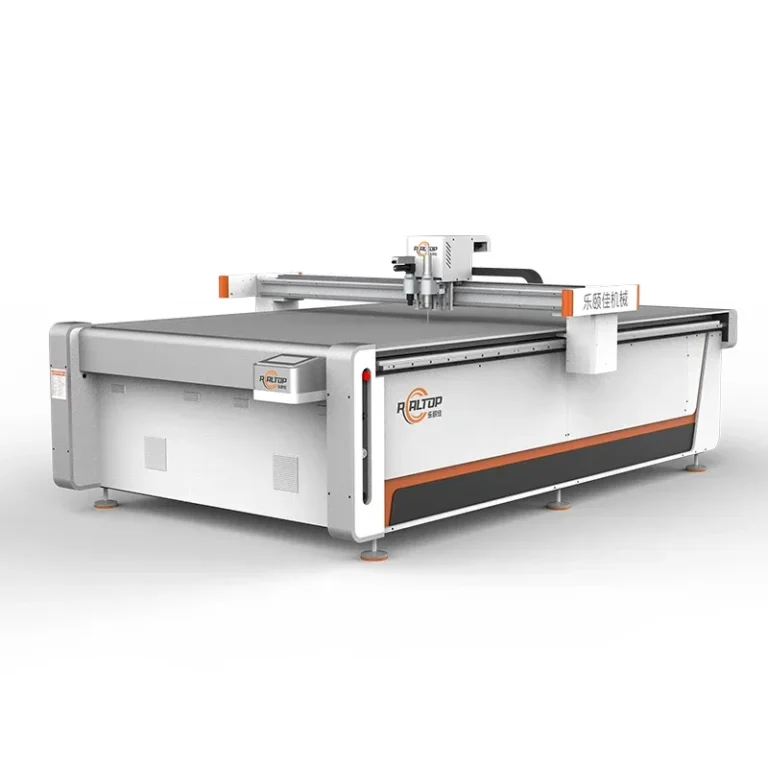
Conveyor Belt Cutter Manufacturer for Egypt from China
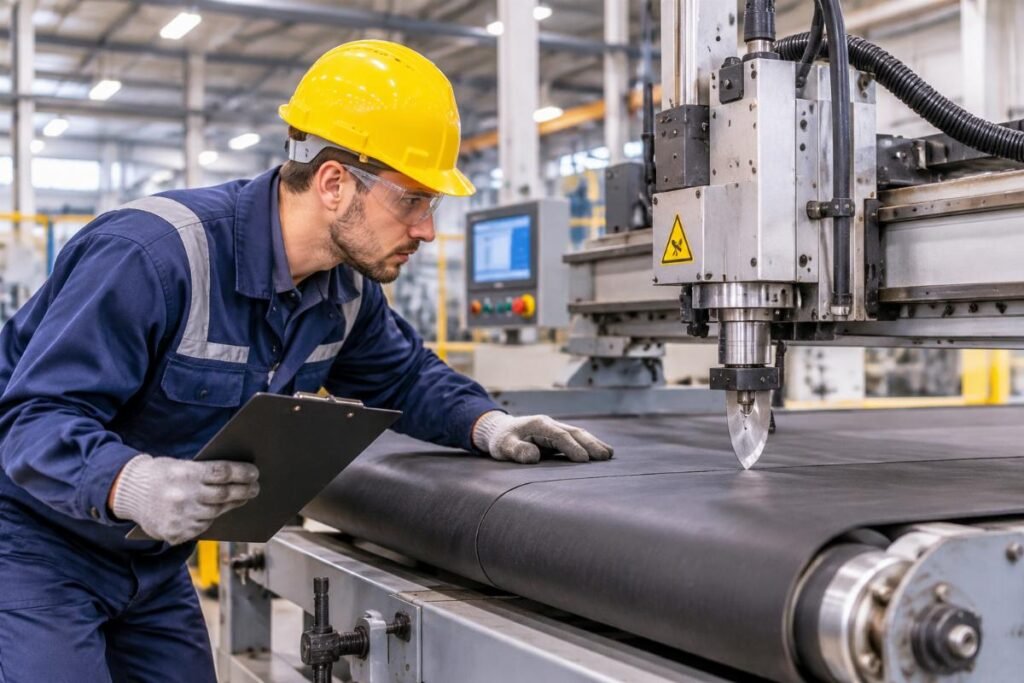
A lower base price often results in a higher total cost of ownership due to blade wear and electrical incompatibility.
Selecting the right Conveyor Belt Cutter requires matching blade oscillation frequency and voltage specifications to specific rubber thicknesses and site conditions, not just comparing initial purchase prices. Egyptian industrial buyers must prioritize 380V compatibility and heavy-duty oscillating tooling to avoid immediate operational failure at the port or on the factory floor.
I remember standing on the dusty docks of Alexandria, watching a client’s new machine sit idle while his team scrambled to find a voltage converter. He had purchased a standard model based on a brochure photo, assuming it would handle his thick, multi-layer canvas belts. It did not. The oscillating knife struggled against the dense rubber, the blade snapped within hours, and the motor burned out when they forced it. This was not a manufacturing defect; it was a specification mismatch. Buying a Conveyor Belt Cutter is not about finding the cheapest unit; it is about engineering a solution that survives the harsh reality of industrial material processing.
The gap between a functional machine and a costly mistake lies in the details of blade geometry and power infrastructure. Many buyers overlook these technical nuances until the container arrives. Understanding the specific demands of Egyptian industrial sites can prevent these expensive errors.
What Blade Type Do You Need for Egyptian Conveyor Belts?
Standard oscillating knives fail on multi-layer canvas belts; specialized heavy-duty tooling is mandatory for thick rubber composites.
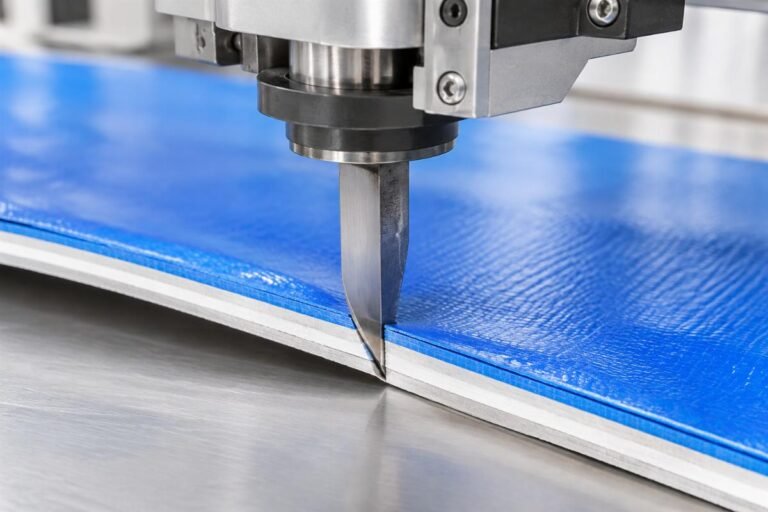
The primary reason for cutting failure in the Middle East and North Africa region is the use of generic blades on complex belt structures. Conveyor belts in mining and heavy industry often consist of multiple layers of canvas reinforced with solid rubber. A standard vibrating knife, designed for thin foam or single-layer fabric, lacks the rigidity and oscillation force to penetrate this density.
When a buyer selects a Conveyor Belt Cutter without verifying the blade type, the result is rapid wear and inconsistent cuts. The blade heats up, loses its edge, and eventually breaks, causing downtime that far exceeds the savings from a cheaper machine. Heavy-duty oscillating knives are engineered with higher amplitude and frequency to slice through these tough materials cleanly. They maintain their sharpness longer and produce edges that do not require secondary finishing.
| Material Type | Recommended Blade Type | Cutting Quality | Blade Wear Rate |
|---|---|---|---|
| Single-layer Rubber | Standard Oscillating | Clean | Low |
| Multi-layer Canvas | Heavy-duty Oscillating | Precise | Moderate |
| Thick Solid Rubber | Reinforced Heavy-duty | Smooth | Controlled |
| Composite Technical | Specialized Tooling | High Precision | Low |
A case from a local processing plant illustrates this clearly. The facility switched from a manual cutting process to an automated Conveyor Belt Cutter. Initially, they used standard blades to cut costs. Within weeks, blade replacement costs skyrocketed, and the cut edges were jagged, causing issues in the subsequent splicing process. After upgrading to heavy-duty oscillating tooling, the cutting speed increased, and the blade life extended significantly. The initial investment in the correct blade type paid for itself in reduced waste and maintenance.
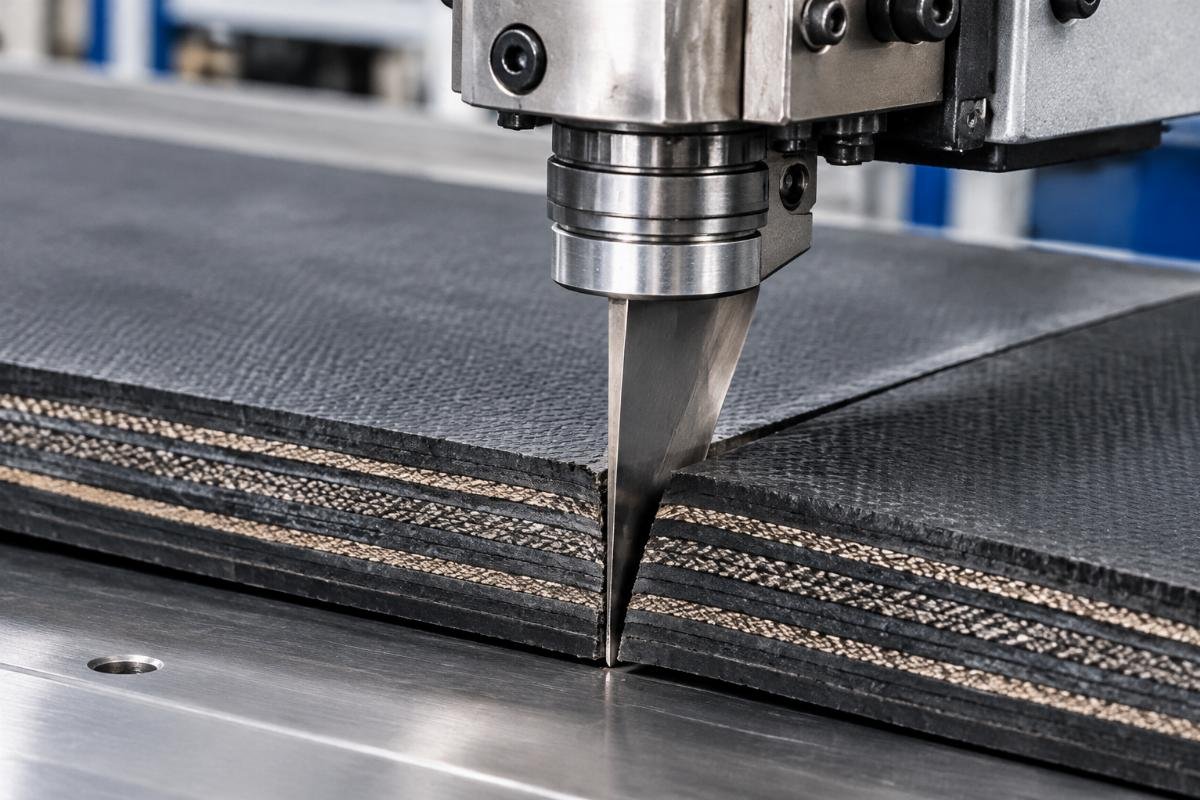
The key is to match the tool to the material. Do not assume a universal blade will work for all applications. Consult with the manufacturer to ensure the Conveyor Belt Cutter is equipped with the appropriate oscillating mechanism for your specific belt composition.
How to Match Voltage for Egyptian Industrial Sites?
Confirming 380V compatibility avoids port-level electrical failures and costly downtime.
Power mismatches are a silent killer of imported machinery. In Egypt, industrial facilities typically operate on 380V three-phase power. However, many entry-level cutting machines from global suppliers are configured for 220V single-phase power, suitable for small workshops but inadequate for heavy industrial use. Plugging a 220V machine into a 380V supply without a proper transformer can destroy the control board and motor instantly.
I have seen buyers attempt to use step-down transformers as a workaround. These devices are bulky, expensive, and introduce another point of failure. They also reduce the efficiency of the motor, leading to slower cutting speeds and overheating. The correct approach is to order a Conveyor Belt Cutter that is natively compatible with 380V industrial power. This ensures stable performance and eliminates the need for external adapters.
When sourcing from China, explicitly state your voltage requirement in the inquiry. Reputable manufacturers like Realtop Machinery offer 380V options as standard for industrial models. This customization is crucial for seamless integration into Egyptian factories. A machine that arrives ready to plug in saves days of troubleshooting and potential electrical hazards.
Consider the experience of a distributor in Cairo. He imported a batch of cutters without specifying voltage. Half the units arrived with 220V motors. He had to source local transformers and hire electricians to rewire the control panels. The delay cost him several contracts. Had he specified 380V initially, the machines would have been operational upon arrival. This highlights the importance of clear communication regarding electrical specifications when purchasing a Conveyor Belt Cutter.
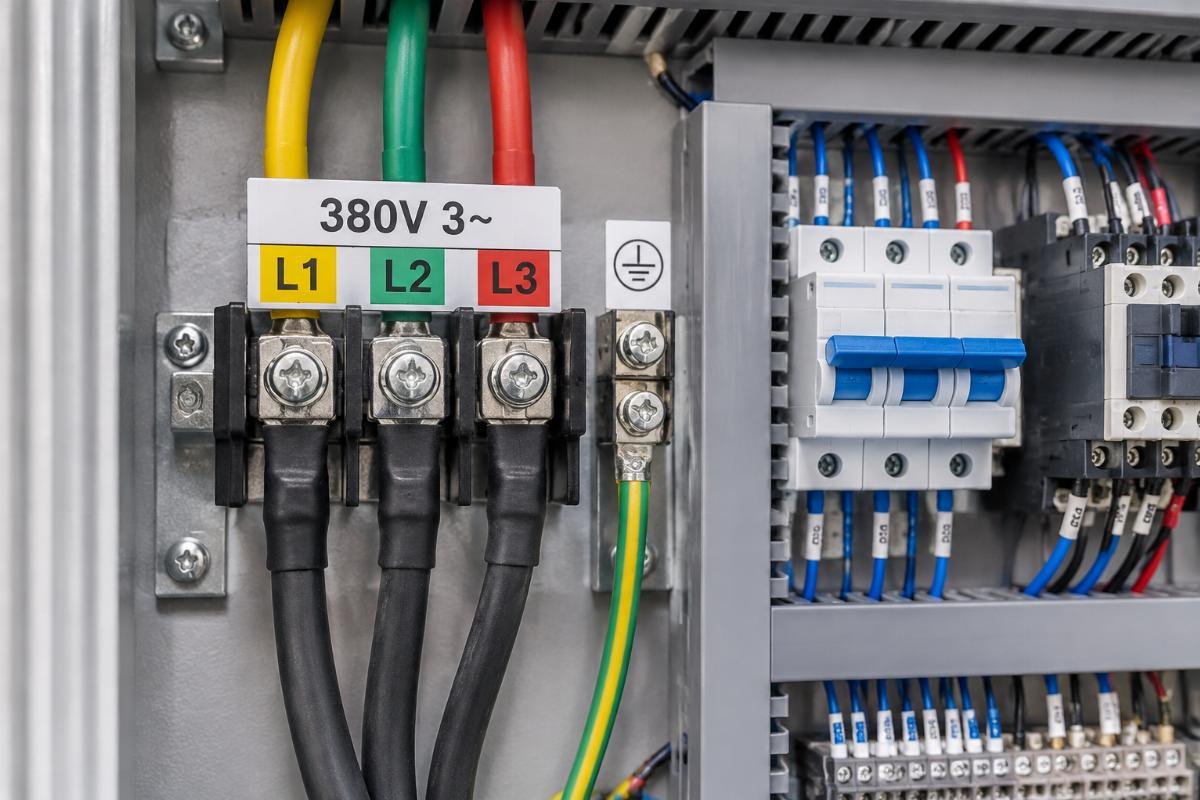
Voltage compatibility is not just a technical detail; it is a logistical necessity. Ensure your supplier verifies the voltage before production begins. This simple step prevents major headaches after shipping.
Which Specifications Matter Most in a Cutting Matrix?
Comparing speed, precision, and nesting software across standard vs. heavy-duty models reveals true value.
Beyond blade type and voltage, the cutting matrix defines the machine’s capability. Buyers often focus on the maximum cutting speed, but this metric is misleading if the precision is poor. A fast machine that deviates by several millimeters is useless for precise belt splicing. The critical specifications are cutting precision, nesting efficiency, and material handling capacity.
Precision is measured in millimeters. High-quality Conveyor Belt Cutter models achieve tolerances of ±0.1mm. This level of accuracy ensures that every cut piece fits perfectly, reducing material waste. Nesting software plays a vital role here. Smart nesting algorithms arrange patterns to maximize material usage, saving up to 15% in raw material costs. For expensive rubber and composite belts, this savings is substantial over time.
| Specification | Standard Model | Heavy-duty Industrial Model |
|---|---|---|
| Cutting Precision | ±0.5mm | ±0.1mm |
| Nesting Software | Basic | Smart Optimization |
| Material Savings | Minimal | Up to 15% |
| Cutting Speed | Variable | Consistent High Speed |
| Voltage Option | 220V | 220V/380V/330V |
A European automotive supplier once compared two machines. One was faster on paper but lacked advanced nesting. The other was slightly slower but optimized material layout. Over a year, the second machine saved enough material to cover its entire purchase price. This demonstrates that speed alone is not the best indicator of value. When evaluating a Conveyor Belt Cutter, look at the total cost of operation, including material waste and precision requirements.
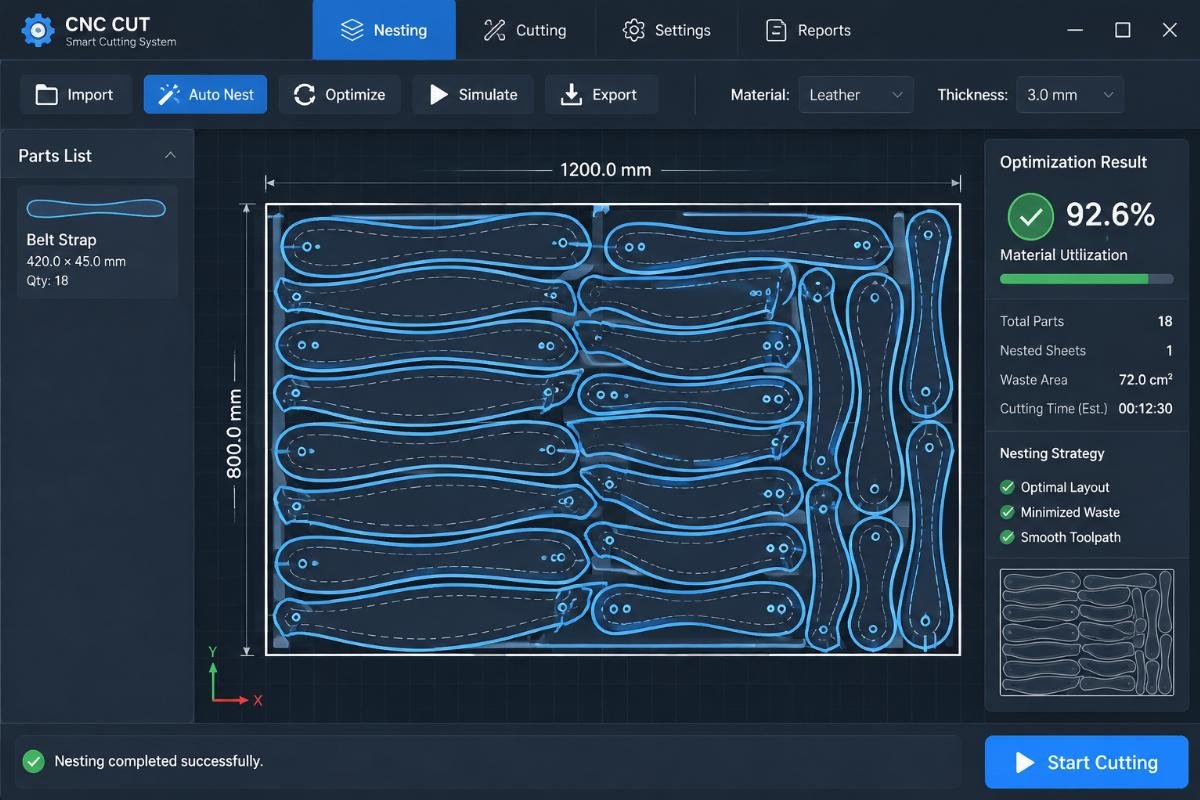
Focus on machines that offer both high precision and intelligent software. These features contribute to long-term profitability rather than just short-term throughput. Verify these specifications with test cuts before finalizing your order.
How to Verify Supplier Reliability Before Shipping?
Checking CE certs, warranty terms, and remote support capabilities prevents post-purchase abandonment.
The final hurdle in buying a Conveyor Belt Cutter is ensuring the supplier stands behind their product. Many factories offer low prices but provide minimal support after payment. This leaves buyers vulnerable if issues arise. Reliable manufacturers provide CE certification, which confirms compliance with European safety standards. This certification is a baseline for quality and safety.
Warranty terms are another critical factor. A three-year warranty indicates confidence in the machine’s durability. Shorter warranties may signal lower quality components. Additionally, remote support capabilities are essential for international buyers. The ability to diagnose issues via video call or remote desktop access can resolve problems quickly without waiting for a technician to travel.
Realtop Machinery, for instance, offers a three-year warranty and 24/7 online technical support. This level of service ensures that buyers in Egypt have access to expertise whenever needed. Free operator training and demonstration videos further reduce the learning curve, allowing teams to become productive faster. These services are not just perks; they are integral to the machine’s lifecycle.

Before placing an order, request proof of CE certification and review the warranty document. Ask about their remote support process. A supplier that is transparent about these aspects is more likely to deliver a reliable Conveyor Belt Cutter and stand by it long after the sale.
Conclusion
Investing in the right specifications prevents costly operational failures.
Choosing a Conveyor Belt Cutter involves more than comparing prices. It requires careful consideration of blade types, voltage compatibility, and cutting precision. By focusing on these technical details, Egyptian buyers can avoid common pitfalls and ensure smooth operations. Prioritize suppliers who offer robust support and verified certifications to protect your investment.