CNC Aramid Kevlar Fabric Cutting Machine Supplier: Buyer Guide

Higher cutting speed often ruins Kevlar edges rather than improving them.
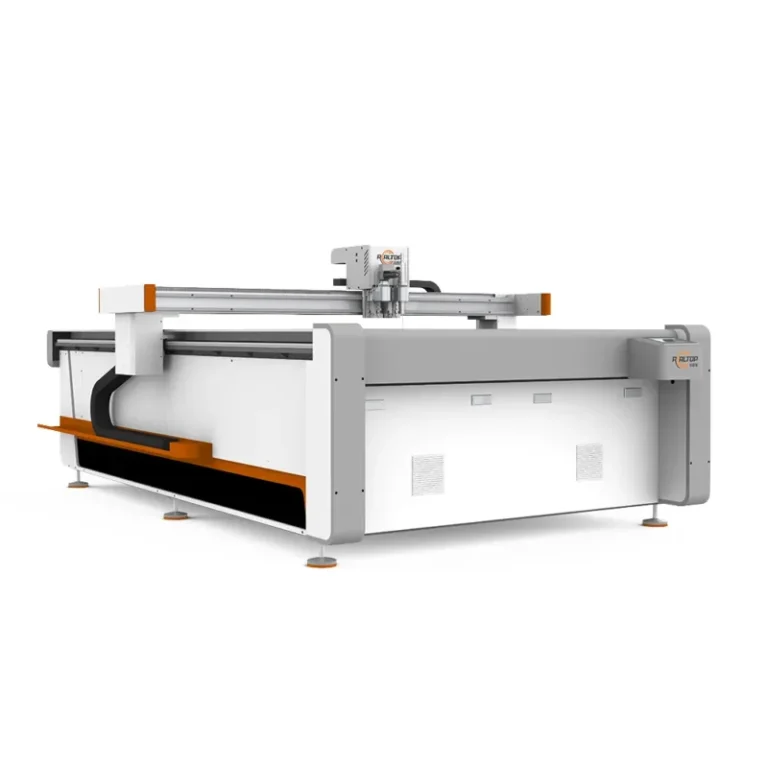
Buying an Aramid and Kevlar Fabric Cutting Machine requires matching local industrial voltage, verifying crate dimensions against container limits, and selecting oscillating knife technology with ±0.1mm precision to prevent fraying and customs delays.
I still remember the silence on the phone line from Santos Port. A client in Brazil was ready to launch a new line of ballistic vests, but their machine sat stuck in customs for weeks. The issue was not the quality of the cut, but a mismatch in industrial voltage specifications and a wooden crate that exceeded the width of standard shipping container doors. That incident changed how I approach every inquiry. Now, before discussing blade types or software, I ask for the facility’s electrical schematic and the warehouse door measurements. An Aramid and Kevlar Fabric Cutting Machine is not just a tool; it is a complex integration of power, logistics, and precision engineering. Ignoring any one of these elements turns a high-ROI asset into a port-side liability.

Selecting the right equipment means looking beyond the brochure speed ratings. It demands a holistic view of your production environment. Let us break down the critical specifications that determine whether your investment drives efficiency or creates bottlenecks.
What Voltage and Power Specs Does Your Facility Require?
Mismatched voltage is the single most common cause of operational failure and customs holds for imported cutting machines.
Industrial power standards vary significantly across regions, and assuming universal compatibility is a costly error. While many consumer devices adapt easily, heavy-duty CNC cutters require specific three-phase inputs. In North America, 220V or 380V might be standard, but parts of South America and Europe operate on different frequencies and voltages, such as 330V or 400V at 50Hz or 60Hz.
When sourcing an Aramid and Kevlar Fabric Cutting Machine, you must verify the input voltage against your local grid. A machine built for 380V/50Hz will not run on a 220V/60Hz supply without a massive, expensive transformer that introduces power instability. This instability can damage the servo motors and control boards, leading to inconsistent cuts and frequent downtime.
Consider the case of a composite fabricator in Argentina. They ordered a high-speed cutter without specifying their local 330V industrial requirement. The manufacturer shipped a standard 380V unit. Upon arrival, the local electrician refused to connect it, citing safety codes. The cost to rewind the motors and replace the power supply unit exceeded the savings they had negotiated on the initial purchase price.
To avoid this, request a voltage confirmation from your supplier early in the process. Reputable manufacturers offer customizable voltage options, such as 220V, 380V, or 330V, to match your facility’s infrastructure. This customization should be documented in the proforma invoice and technical agreement. Do not rely on generic "global voltage" claims. Verify the specific amperage and phase requirements. A properly matched power system ensures the oscillating knife maintains consistent torque, which is vital for cutting dense, multi-layer aramid fabrics without stalling.

How Do Table Size and Packaging Affect Shipping?
The machine may fit your floor plan, but its crate might not fit your door.
One of the most overlooked aspects of buying an Aramid and Kevlar Fabric Cutting Machine is the logistics of delivery. Manufacturers often quote the working area of the table, such as 1600mm x 3200mm, but fail to highlight the dimensions of the shipping crate. Wooden crates for large CNC machines are bulky, often adding several hundred millimeters to each side for protection and forklift access.
If your facility has narrow loading docks or low ceiling heights, a standard crate can become a major obstacle. I once consulted with an automotive interior supplier in Germany who had to dismantle part of their warehouse wall to get the machine inside because they only checked the machine footprint, not the packaging dimensions.
Before finalizing the order, measure your widest entry point, including door frames and overhead obstacles. Compare this with the packed dimensions provided by the supplier. If the crate exceeds standard container door widths, you may need special handling or disassembly services, which add time and cost.
Furthermore, consider the table size relative to your material usage. Larger tables allow for better nesting of long aramid rolls, reducing waste. However, a table that is too large for your space restricts workflow. Balance the cutting area with your available floor space. Suppliers like Realtop Machinery provide detailed packing lists and dimension drawings upfront. Use these to simulate the delivery path in your facility. Ensuring the crate fits is just as important as ensuring the machine cuts well.

Which Cutting Precision and Speed Suit Kevlar?
Optimized oscillation frequency matters more than raw cutting speed for preventing fraying.
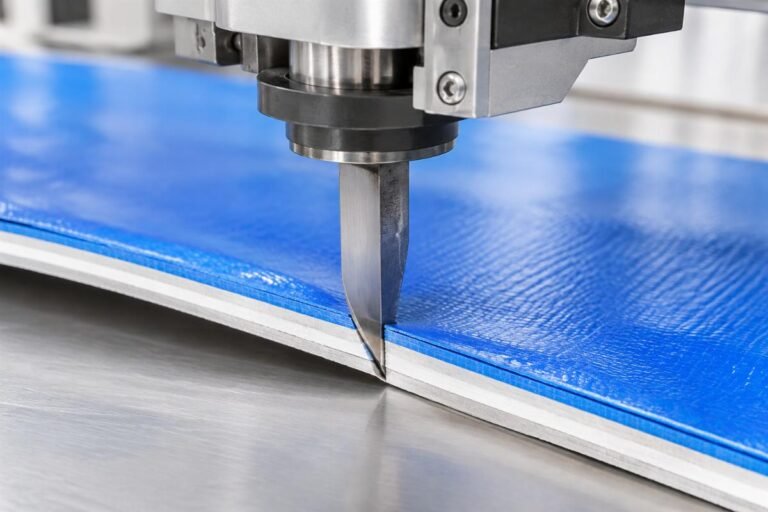
Kevlar and aramid fibers are notorious for fraying if cut with dull blades or excessive heat. Laser cutters, while fast, melt the edges, creating toxic fumes and stiff, brittle seams that compromise the protective qualities of the fabric. Mechanical cutting with an oscillating knife is the preferred method, but not all oscillating knives perform equally.
The key metric here is precision, specifically ±0.1mm accuracy. This level of precision ensures that complex patterns, such as those used in ballistic vests or aerospace components, fit together perfectly without gaps. Gaps in protective gear can be fatal, so consistency is non-negotiable.
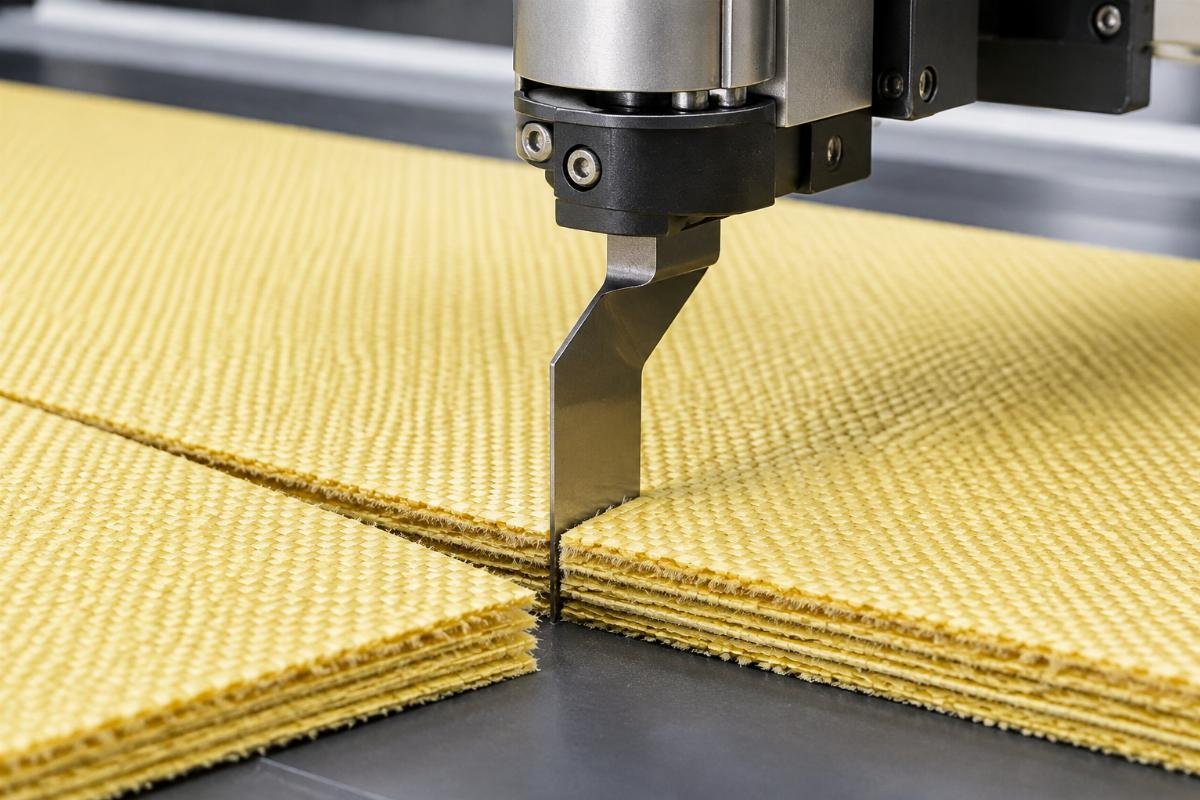
Speed is often marketed as a primary benefit, with claims of up to 2000mm/s. However, pushing an Aramid and Kevlar Fabric Cutting Machine to its maximum speed on thick, multi-layer stacks can cause the fabric to shift or the blade to deflect. This leads to uneven edges and increased waste. The ideal setup balances speed with oscillation frequency. A high-frequency oscillation keeps the blade sharp and reduces friction, allowing for clean cuts even at moderate speeds.
A European defense contractor found that reducing their cutting speed by twenty percent while increasing the oscillation frequency resulted in a noticeable drop in edge fraying. The slight reduction in throughput was offset by the elimination of rework and material waste. When evaluating suppliers, ask for demonstration videos of cutting multi-layer aramid. Look for clean, straight edges without pulled fibers. The ability to maintain ±0.1mm precision under load is a true indicator of machine quality.
How Much Material Can Smart Nesting Save?
Digital nesting software transforms expensive aramid waste into measurable profit.
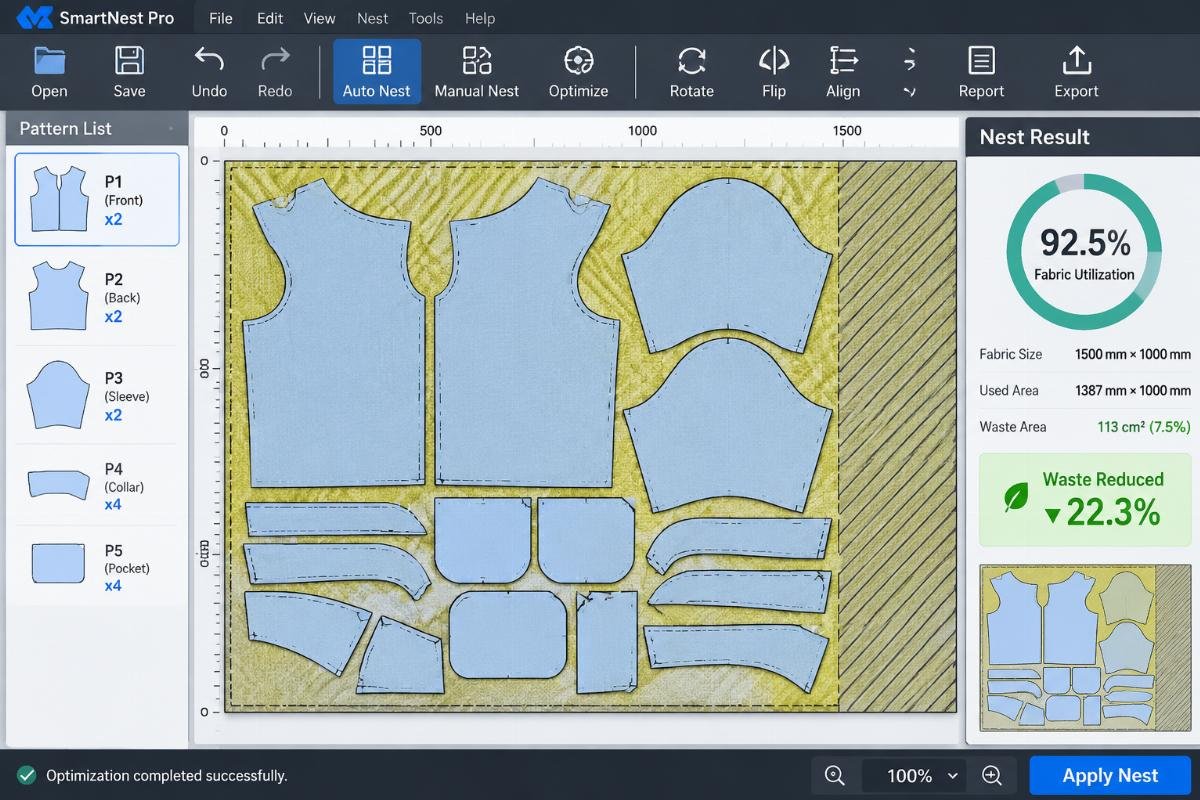
Aramid fabric is significantly more expensive than standard textiles. Every square meter saved translates directly to the bottom line. Traditional manual nesting or basic CAD layouts often leave large gaps between pattern pieces, leading to waste rates that can exceed typical industry averages. Smart nesting software uses algorithms to arrange patterns tightly, minimizing unused space.
For an Aramid and Kevlar Fabric Cutting Machine, the integration of digital die-less nesting software is crucial. This software calculates the most efficient layout for irregular shapes, adjusting for grain direction and fabric defects. In practice, this can reduce material waste noticeably, sometimes saving up to fifteen percent of total fabric usage. For a high-volume producer, this saving covers the cost of the machine over time.
Consider a composite fabricator producing gaskets and seals. Before implementing smart nesting, their scrap rate was high due to inefficient manual layout. After switching to a system with automated nesting, their material utilization improved substantially. The software also allows for quick adjustments when pattern designs change, eliminating the need for physical dies and reducing setup time.
When reviewing suppliers, inquire about the nesting capabilities of their control software. Does it support automatic optimization? Can it handle multiple orders simultaneously? Free sample cutting services and demonstration videos can show you the software in action. Look for systems that provide real-time feedback on material usage. This transparency helps you track savings and justify the investment. The right software turns the Aramid and Kevlar Fabric Cutting Machine from a simple cutter into a strategic asset for cost control.
Conclusion
Successful procurement of an Aramid and Kevlar Fabric Cutting Machine depends on aligning technical specs with site realities.
Avoid the pitfalls of voltage mismatches and logistical oversights by verifying power requirements and crate dimensions early. Prioritize cutting precision and smart nesting capabilities to ensure clean edges and material efficiency. By focusing on these practical details, you secure a solution that integrates seamlessly into your production line, delivering consistent quality and long-term value.